


Worth an audit when
Lovable, Bolt, Cursor and v0 get a real app live fast. The question they leave to you is who else can reach your data: keys in the browser bundle, tables anyone can read, routes that trust the request. A senior engineer checks all of it by hand in 1-2 weeks and ranks every finding by what it could cost you.
What we check in vibe-coded apps
Keys anyone can copy
Anything behind a VITE_ or NEXT_PUBLIC_ prefix ends up in the code every visitor downloads. We search it and your Git history for secret keys, and say which to rotate.
Tables that answer strangers
Supabase's public key is meant to be seen, so row level security is what guards your data. We test every table and storage bucket as a signed-out visitor and as another user.
Routes that trust the request
A route or Edge Function that takes a user ID from the request lets one user open another's data. We check that each one reads the session and checks who owns the record.
Further than the built-in scan
Builder scans are a useful floor. We test your app against how it is meant to work: roles, business rules, payment flows, webhook signatures and rate limits on sign-in.
How it works
- 01
Access and scope
You share read access to the code, the database and the live app. We agree what matters most to you: user data, payments or a launch date.
- 02
Audit (1-2 weeks)
A senior engineer tests auth, data access, keys and routes by hand, the way an attacker would, and writes down how to reproduce every finding.
- 03
Report and walkthrough
A ranked report with what to fix first and what each fix takes, then a 60-minute walkthrough with the senior engineer who found them.
Starting at $1,000
One fixed price, agreed before we start; it depends on the size of the app. Want the fixes done too? The report leads straight into a Code Rescue. Built with one tool? See rescues by tool, or go straight to Lovable, Bolt, Cursor, v0 or Base44.
Book a security audit call Performalise started on Bubble.  and
 moved it into code one piece at a time - the data pipeline, the AI sprint health models, the SOC 2 data layer - and we never had to freeze the product to do it. Two and a half years on, they're still on our retainer.

Work we've shipped
Audits · Security + Performance
Audits
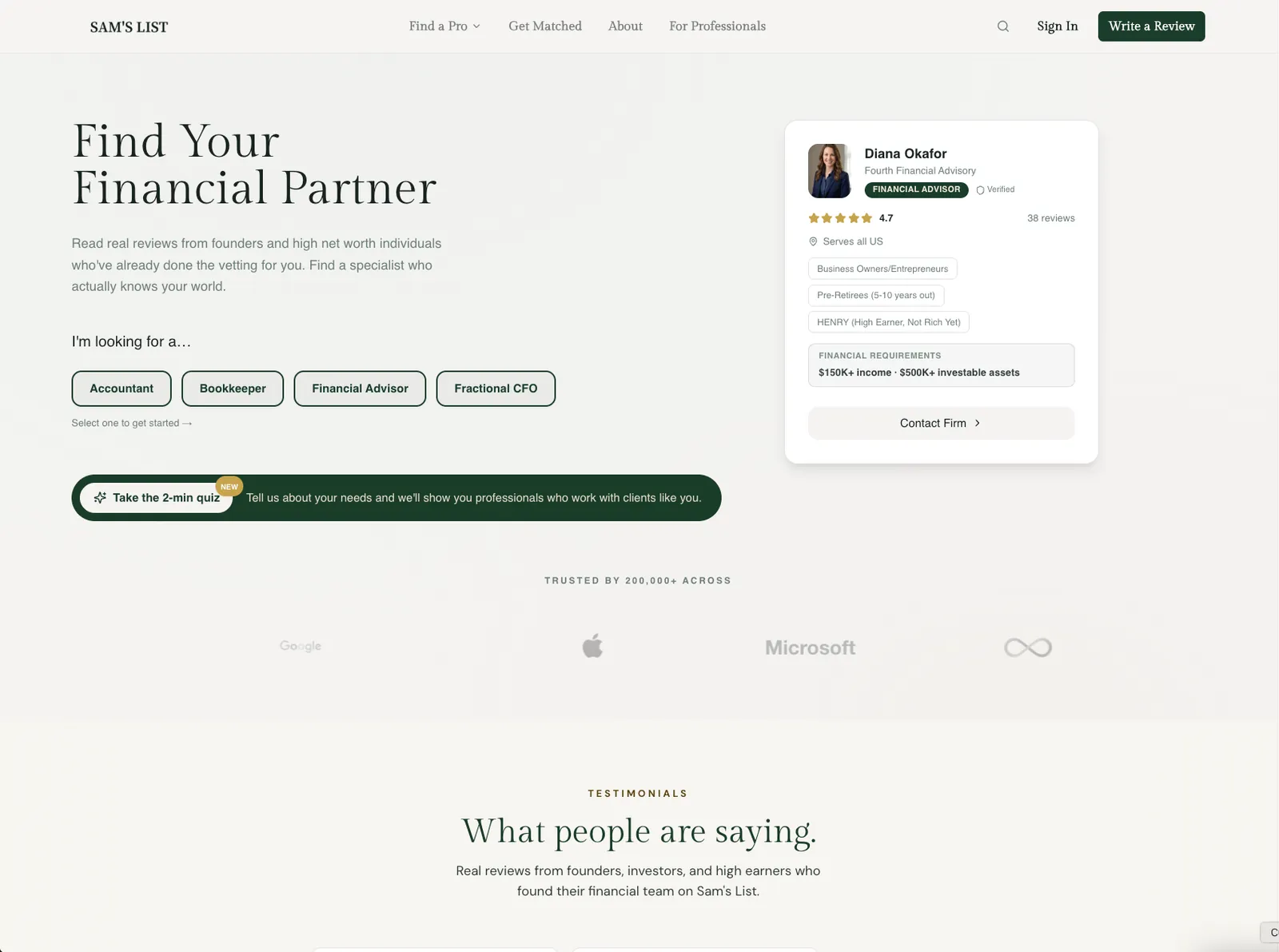
Security audits of 100+ live apps, Supabase and Bubble included: exposed data and access rules, ranked by risk.
AI · MVP → Retainer
Performalise
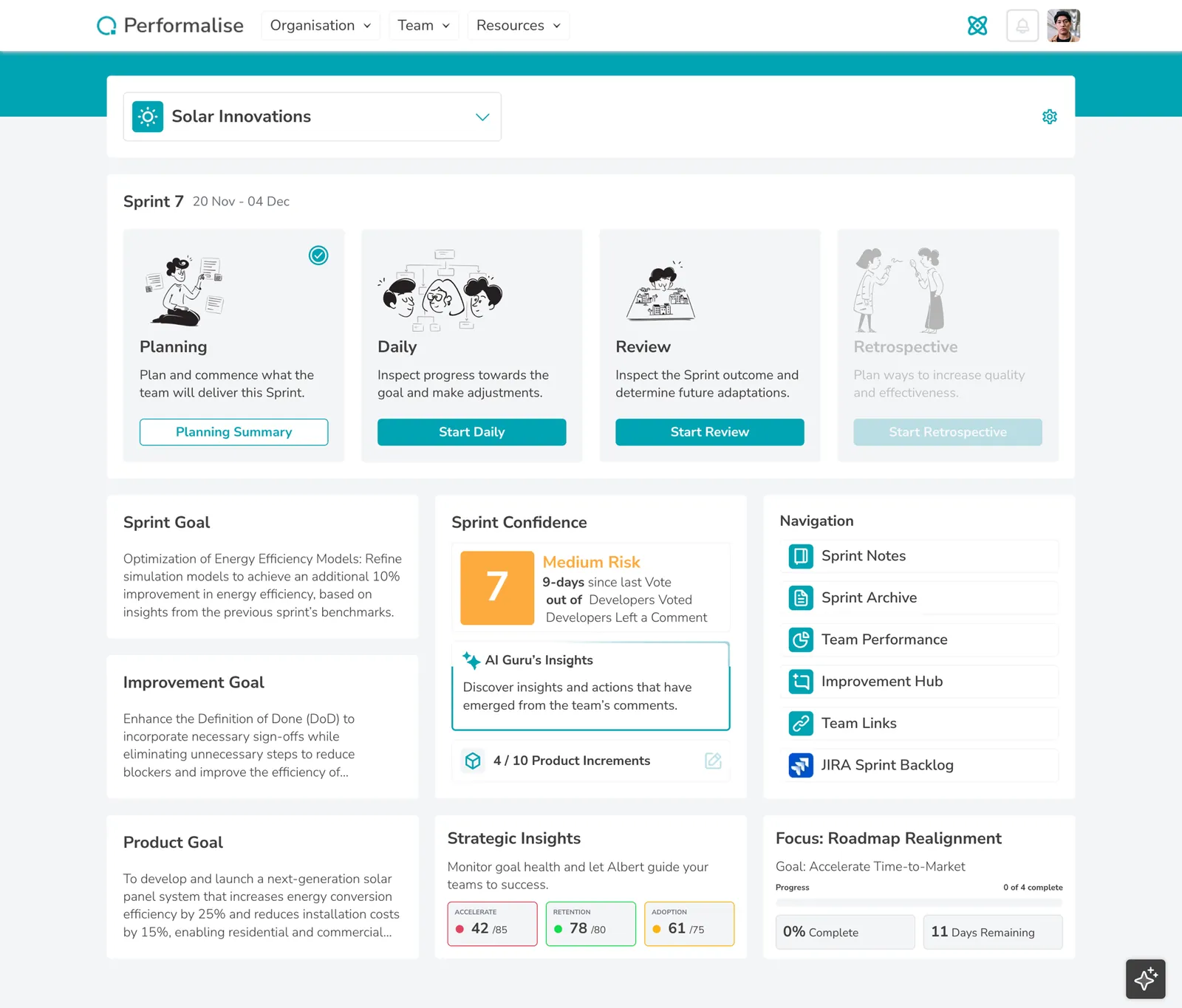
An engineering analytics product 5+ enterprises run on. We built its data handling layer and access controls.
AI · Analytics
Better Analyst (formerly FormulaBot)
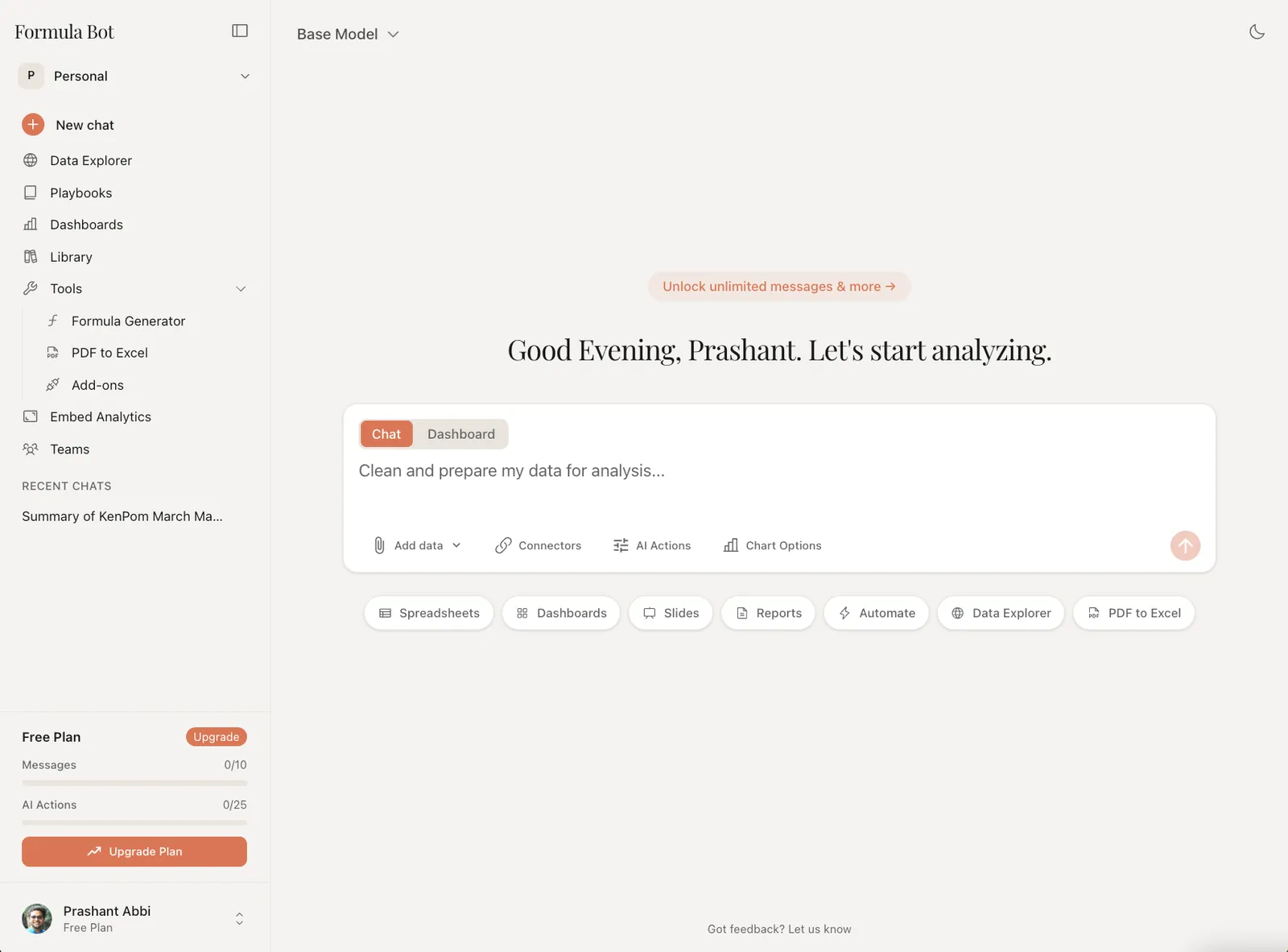
An analytics app used by 1.5M+ people. We built its query validation layer and sandboxed code execution.
How we can help
Four ways to work with us - pick what fits, switch when it doesn’t.
Audits
Find what's broken - or whether AI is worth it - before you build.
Learn moreMVP Sprint
Zero to production in 5-6 weeks. A real product, not a prototype.
Learn moreRetainer
A senior engineer embedded on your team, month to month.
Learn moreCode Rescue
Vibe-coded app breaking under real users? We rebuild it to hold.
Learn moreFAQ
Frequently asked questions
How much does a vibe-coded app security audit cost?
Audits start at $1,000. We agree one fixed price before we start, based on the size of the app, and you get the ranked report in 1-2 weeks.
Is my vibe-coded app secure?
It depends on a few settings that are easy to miss. A 2025 scan of 1,645 Lovable apps found exposed data in 170 of them, mostly through missing row level security. The usual others are secret keys in the bundle and routes that skip auth checks.
Which tools can you audit?
Lovable, Bolt, Cursor, v0, Replit and Base44, plus Supabase and Bubble backends. We read the code and test the live app, so the audit works whatever built it.
What do we get at the end?
A ranked list of verified findings, each with the steps to reproduce it and the fix, plus a 60-minute walkthrough with the engineer who found them.
Can you fix what you find?
Yes. Your team can work from the report, or we fix it in a Code Rescue, with one price agreed before any work starts. Your users keep the same screens.