


Where most B2B SaaS products start
A B2B SaaS product gets judged by the parts buyers expect but don't ask for: teams and roles, billing that matches your pricing page, and integrations with the tools they already use. We've shipped compliance software, a white-label client portal and a trade-finance platform, all built for business customers from day one.
What's different about building B2B SaaS
Teams, not single users
In-house teams and outside consultants often need different access to the same data. Roles and data separation go in the data model on day one, not after the first big customer.
Pricing you can change
Tiers from a 2-user plan to Enterprise, free plans, lifetime licences: billing should follow your pricing, not lead it, so we set up plans you can change without a rebuild.
Integrations sell the product
Buyers often decide on the integrations list: Calendly for scheduling, Stripe for payments, Slack for alerts. We plan the key ones into the first version, not a later roadmap.
Their brand, your product
White-label portals let each customer show their own brand, so their clients see them, not your tool. It is far easier to plan for at the start than to add after launch.
How it works
- 01
Scope and architecture (week 1)
On free calls we agree the workflow your first customers will pay for, then fix scope and price upfront. Week 1: data model, roles and billing.
- 02
Build (weeks 2-5)
The core workflow, team accounts, billing and integrations, with working software every week. The engineer building it is the one on your calls.
- 03
Launch and support (week 6 on)
We ship to production, hand over the code, docs and credentials, and stay on for 6 weeks of support as the first teams sign up.
Starting at $12,000
A SaaS v1 is an MVP Sprint: fixed scope and fixed price, agreed before the build. Already live and need more hands? See senior developer retainers.
Talk about your SaaS We came to Zeroic for one fixed-scope build and never left.  built the AI into WordUp and kept finding more worth shipping - we doubled our retainer hours inside the first month. He tells us what's worth building before he builds it.

Work we've shipped
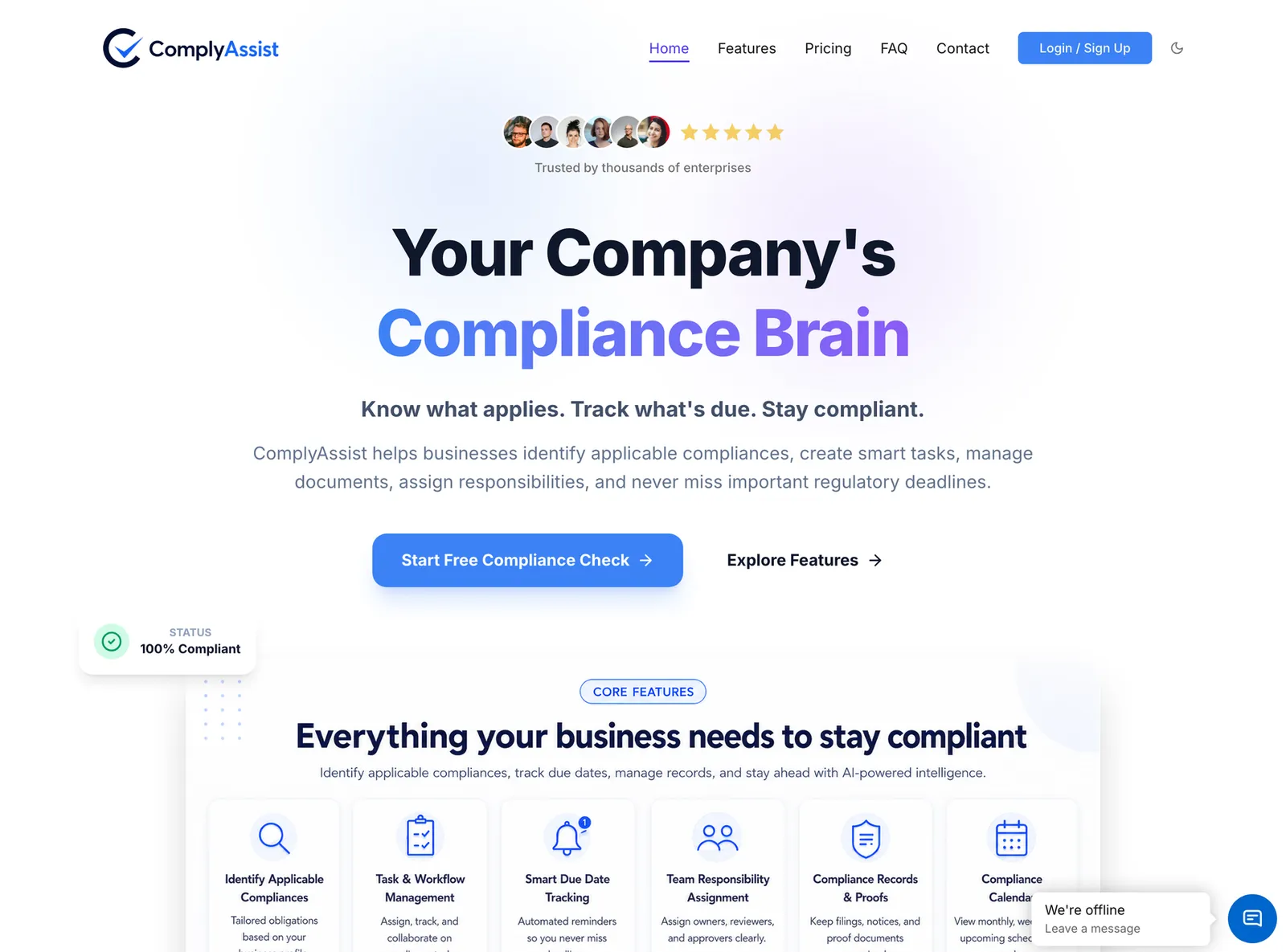
B2B SaaS · Compliance
ComplyAssist
Compliance software with team and consultant roles, four pricing tiers and AI analytics.
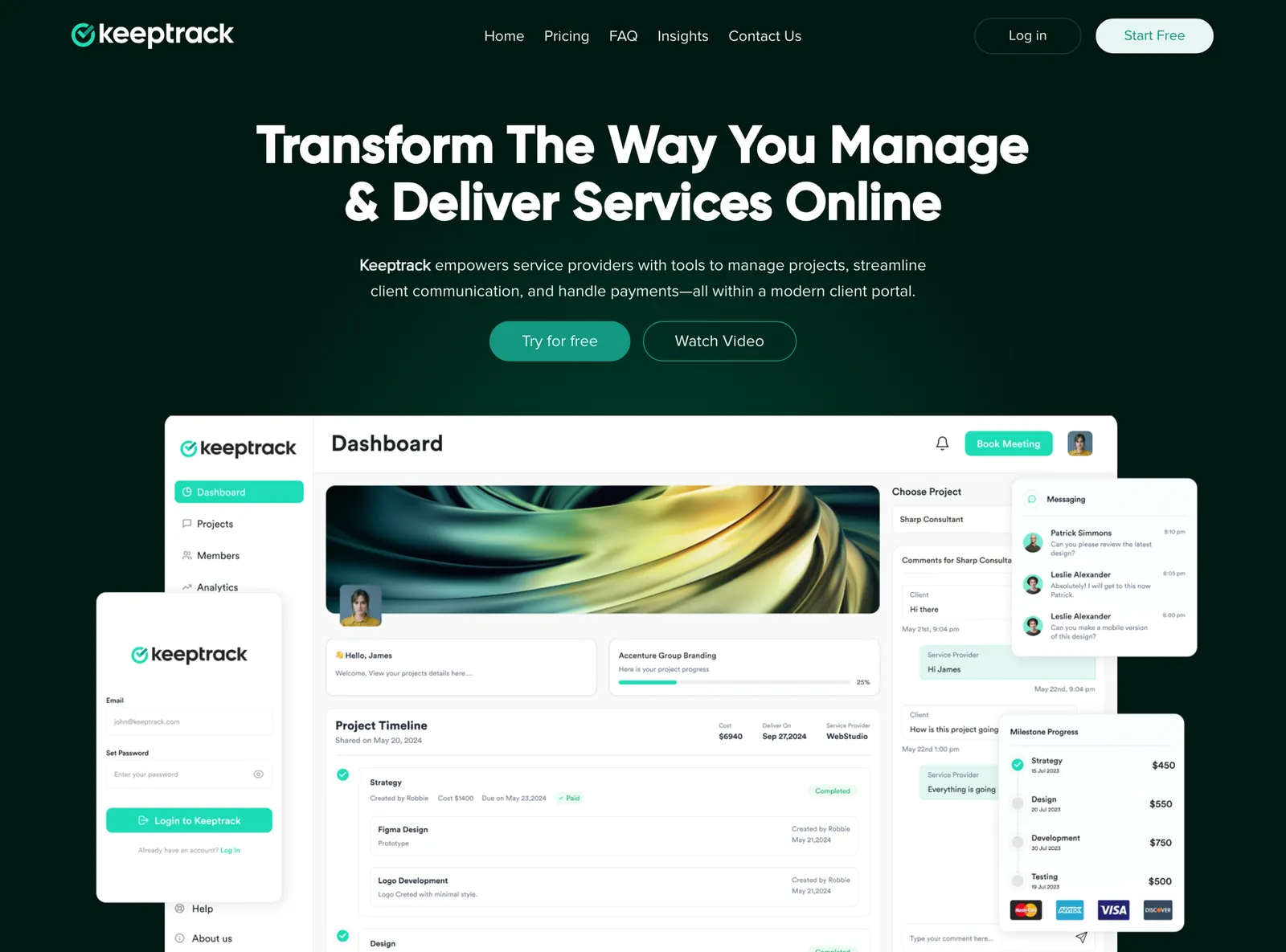
B2B SaaS · Client portals
KeepTrack
A white-label client portal with Calendly scheduling and Stripe milestone payments.
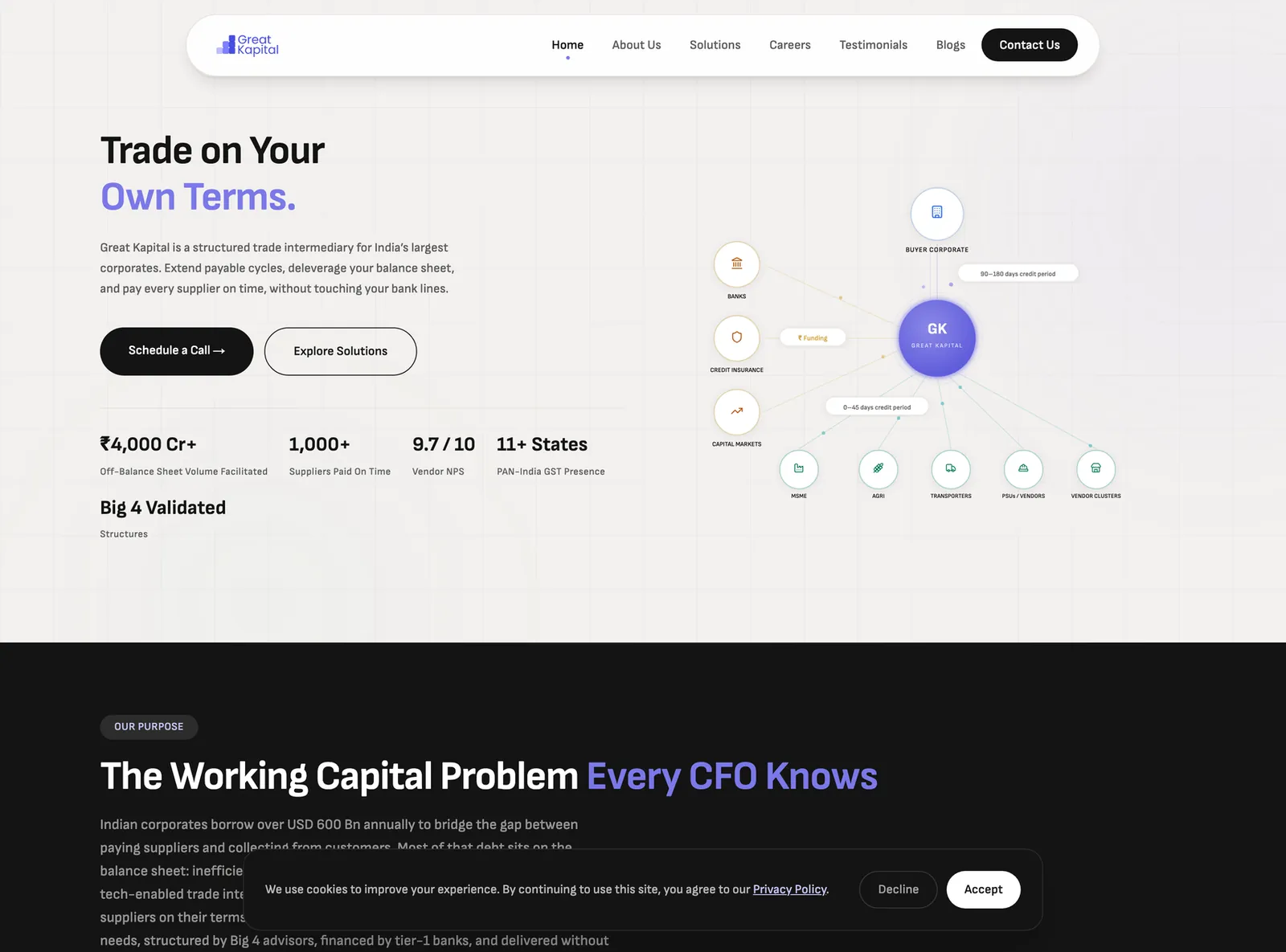
B2B SaaS · Supply chain finance
Great Kapital
Supply chain finance: a working capital engine plus a vendor and customer portal with real-time monitoring.
How we can help
Four ways to work with us - pick what fits, switch when it doesn’t.
Audits
Find what's broken - or whether AI is worth it - before you build.
Learn moreMVP Sprint
Zero to production in 5-6 weeks. A real product, not a prototype.
Learn moreRetainer
A senior engineer embedded on your team, month to month.
Learn moreCode Rescue
Vibe-coded app breaking under real users? We rebuild it to hold.
Learn moreFAQ
Frequently asked questions
How much does it cost to build a SaaS MVP?
A B2B SaaS MVP with team accounts, billing and the core workflow is an MVP Sprint: one fixed price, agreed before the build. Sprints start at $12,000. We scope it to what your first version needs, from integrations to white-label and AI, and agree the price before the build starts.
How long does it take to build a SaaS MVP?
Five to six weeks for a first version. One compliance product we built launched in 8 weeks with AI analytics built in.
How do you keep each customer’s data separate?
In the data model, from day one: each customer gets its own workspace, and access rules in the database stop one account from reading another’s data, not just the screens.
Can you add AI features to our SaaS?
Yes. We built AI analytics into a compliance product to flag upcoming risks. If you'd like a plan first, an AI audit maps out which ideas to build.
Can you build to our compliance requirements?
Yes. Tell us what applies to you, whether that's SOC 2, GDPR, HIPAA or a customer's security review, and we build the technical side to match: access controls, encryption, audit logs, where data is stored and which vendors you use.
Do we own the code?
Yes, 100%. You own the code, infrastructure, docs and credentials.