


Where most marketplaces start
A marketplace is two products that have to work at once: one for the people selling and one for the people buying, with money moving safely between them. We've built two-sided marketplaces from zero, including one for creative talent that grew to 10k+ creators and was acquired.
What's different about building a marketplace
Payments between two parties
Payouts, platform fees and refunds need more than a simple checkout. We build Stripe Connect with escrow where it fits, so money is held until the seller's work is approved.
Matching is the product
Brands to creatives, students to internships, broadcasters to buyers. How the two sides find each other decides whether the marketplace works, so we design it first, not last.
One account, several roles
Many marketplaces end up running gigs, hiring and matching side by side. Shared auth, messaging and transactions on one account keep the sides from becoming separate apps.
Heavy listings, fast pages
Portfolios, video and licensed content get large quickly. We load high-resolution work progressively from a CDN, so pages stay quick as the number of listings grows.
How it works
- 01
Scope your marketplace v1 (week 1)
On free calls we pick the one transaction that proves the marketplace works and fix scope and price before you pay. Week 1: data model and payments.
- 02
Build both sides (weeks 2-5)
Listings, matching, messaging and payouts, with working software every week. The engineer building it is the one on your calls.
- 03
Launch and support (week 6 on)
We ship to production, hand over the code, docs and credentials, and stay on for 6 weeks of support while the first transactions go through.
Starting at $12,000
A marketplace v1 is an MVP Sprint: fixed scope and fixed price, agreed before the build. Already live and need more hands? See senior developer retainers.
Talk about your marketplace We came to Zeroic for one fixed-scope build and never left.  built the AI into WordUp and kept finding more worth shipping - we doubled our retainer hours inside the first month. He tells us what's worth building before he builds it.

Work we've shipped
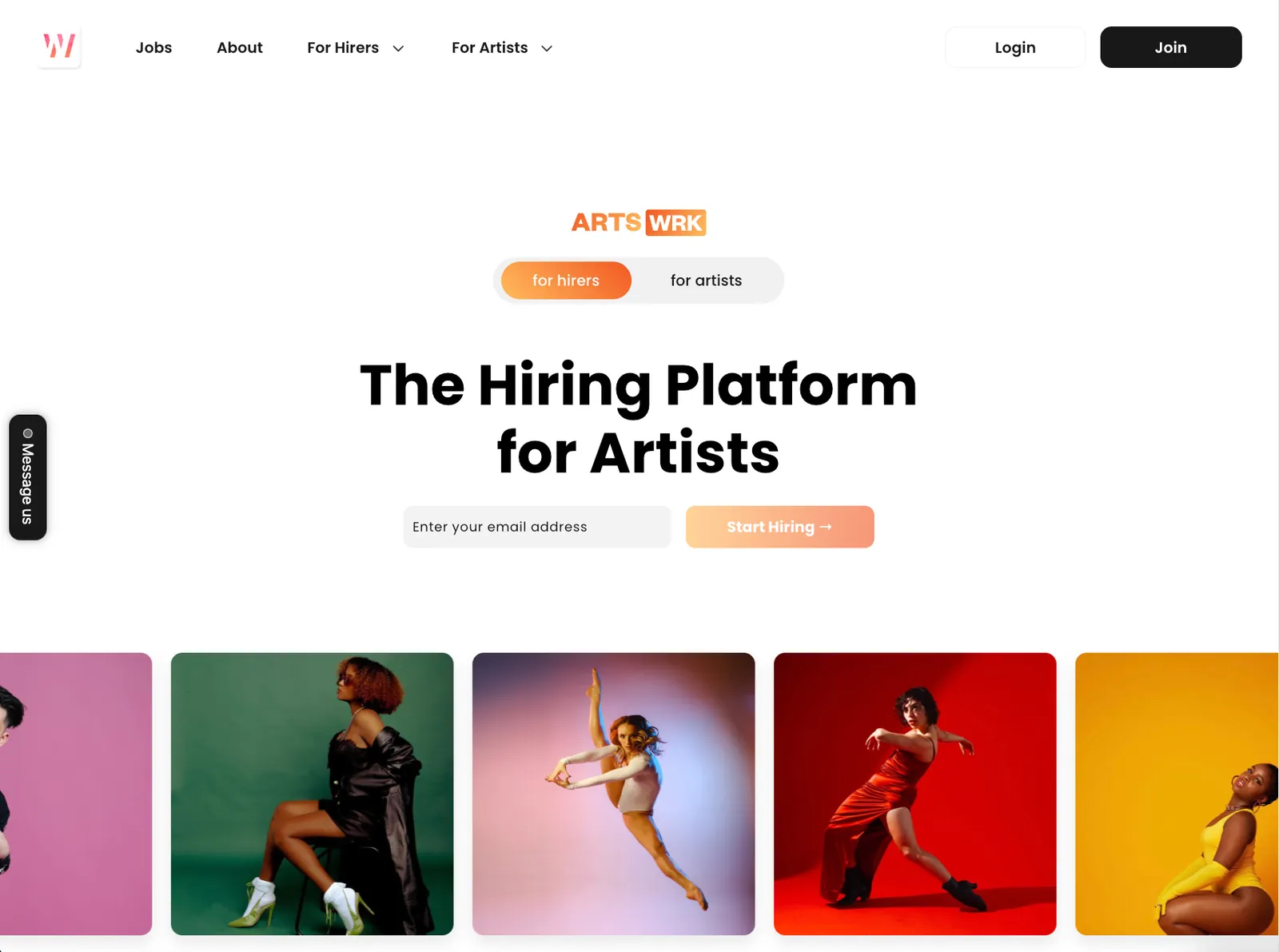
Marketplace · Acquired
Artswrk
Brands hire creative talent, with payments held in Stripe Connect escrow. 10k+ creators, then acquired.
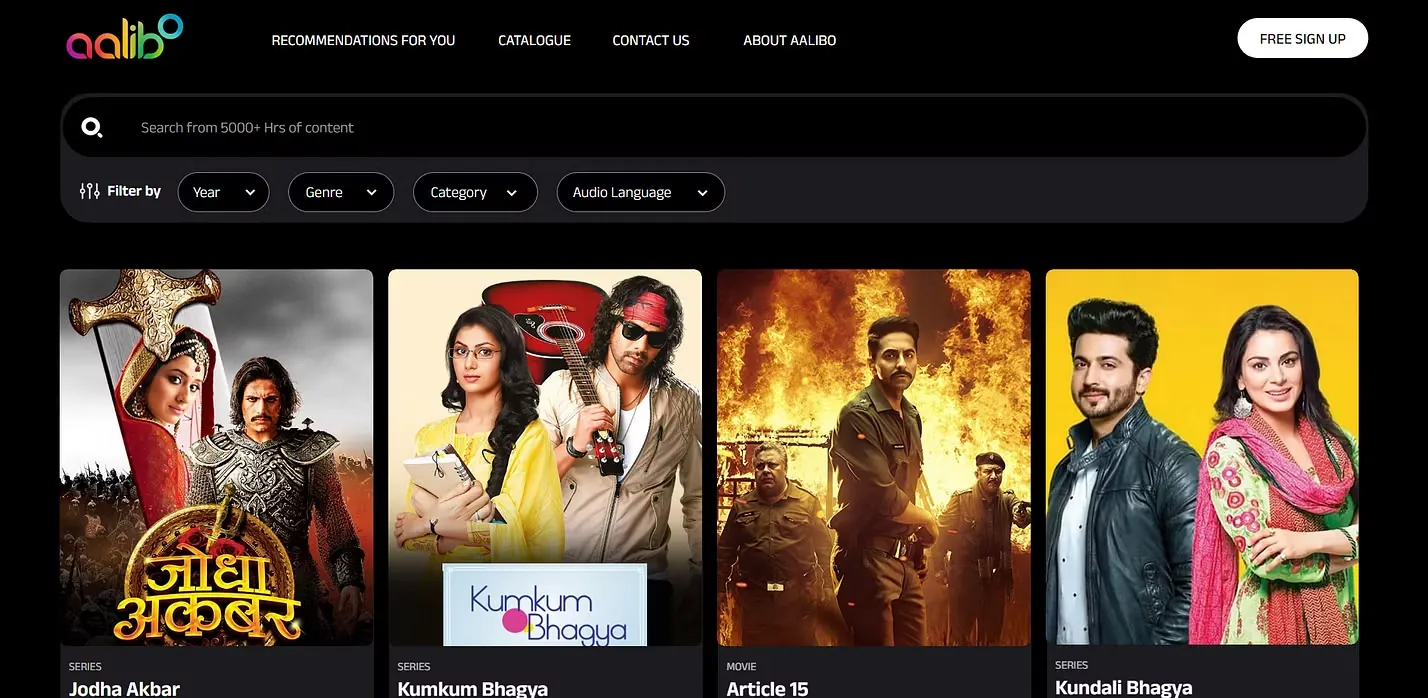
Marketplace · B2B
Aalibo
A B2B marketplace where broadcasters license film and TV content to businesses. Used by 100+ businesses.
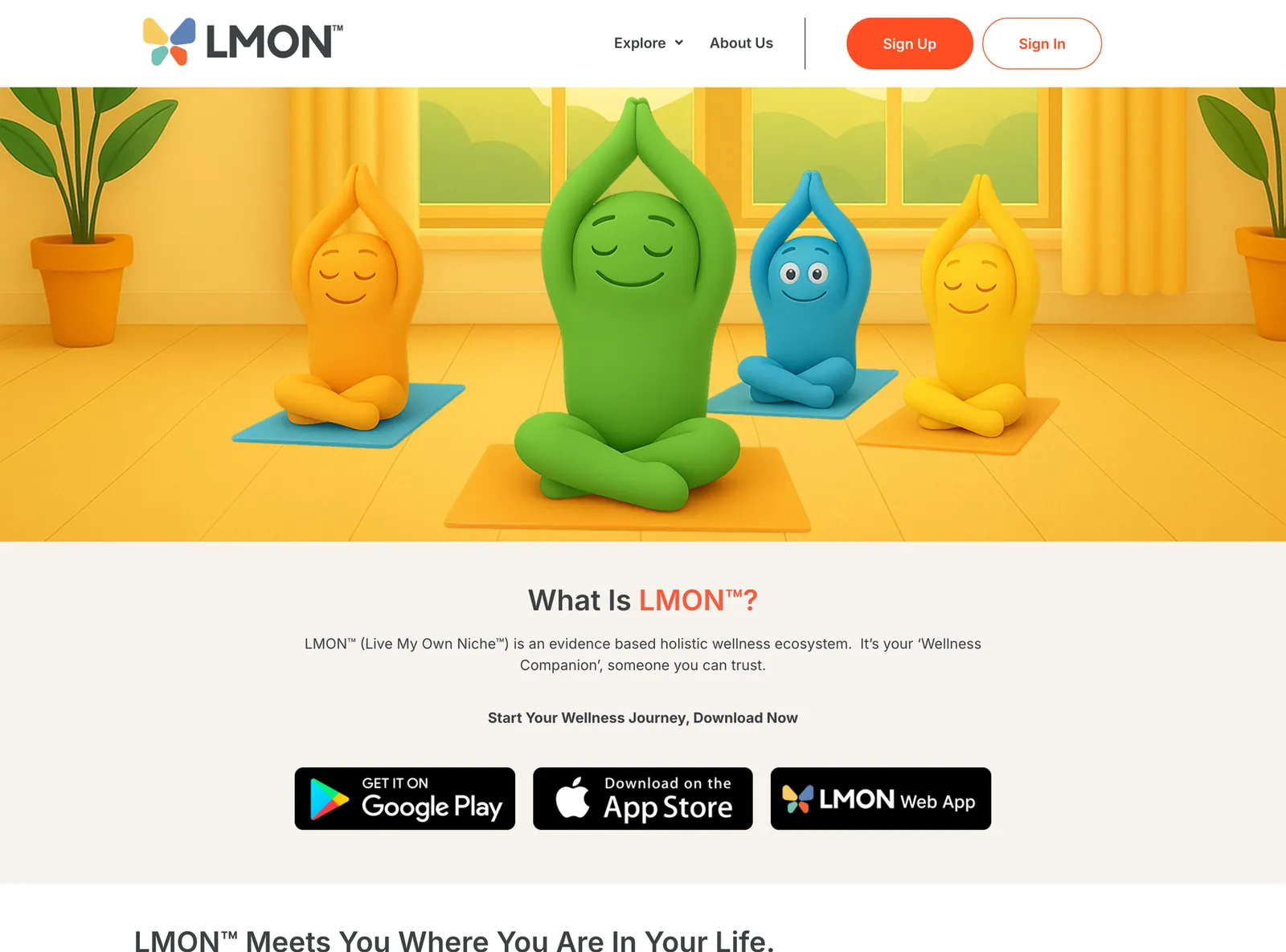
Marketplace · Hiring
LMON
Gig work, recruiting and intern matching from one account, with shared auth, messaging and payments.
How we can help
Four ways to work with us - pick what fits, switch when it doesn’t.
Audits
Find what's broken - or whether AI is worth it - before you build.
Learn moreMVP Sprint
Zero to production in 5-6 weeks. A real product, not a prototype.
Learn moreRetainer
A senior engineer embedded on your team, month to month.
Learn moreCode Rescue
Vibe-coded app breaking under real users? We rebuild it to hold.
Learn moreFAQ
Frequently asked questions
How much does it cost to build a marketplace app?
A marketplace MVP with listings, matching, messaging and payments is an MVP Sprint: one fixed price, agreed before the build. Sprints start at $12,000. We scope it to what your first version needs, from escrow to reviews or a mobile app, and agree the price before the build starts.
How long does it take to build a marketplace MVP?
Five to six weeks for a first version. Even our largest two-sided marketplaces went from zero to launch in 8 weeks.
How do marketplace payments work?
Most marketplaces use Stripe Connect: buyers pay the platform, the platform keeps its fee and pays the seller out. Where trust matters, the money is held in escrow until the work is approved, which is how we built payments for a creative-talent marketplace.
Should I build my marketplace on a no-code tool first?
Either can work, and we build both. No-code is quick for testing demand, and code gives you full control once real money moves between users. We'll recommend what fits your stage.
Can you build to our compliance requirements?
Yes. Tell us what applies to you, whether that's GDPR, PCI for payments or local rules, and we build the technical side to match: access controls, encryption, audit logs, where data is stored and which vendors you use.
Do we own the code?
Yes, 100%. You own the code, infrastructure, docs and credentials.