


Where most learning products start
We've built learning products three different ways: a course and coaching platform, a 1:1 mentoring marketplace for university admissions, and an AI quiz generator that grew to 2,500+ users and was acquired. The common thread is that learners have to come back, so progress, booking and payments all have to just work.
What's different about building EdTech
Progress is the product
Scored assessments that unlock modules and suggest what to do next. Learners come back when they can see where they are and what comes next, so progress goes in first.
People, not just content
Many learning products match learners 1:1 with mentors or tutors and run the sessions in the platform. Matching and scheduling matter as much as the content does.
AI that holds up in a classroom
AI quizzes need wrong answers that make sense and questions a teacher would accept. Teachers spot a weak question straight away, so quality checks go in from the start.
More than one way to pay
One-off courses, coaching packages and subscriptions often sit side by side. We build them on one Stripe checkout and one wallet, so learners pay for everything in one place.
How it works
- 01
Scope the first version (week 1)
On free calls we agree the one learning loop worth launching and fix scope and price before you pay. Week 1: data model and architecture.
- 02
Build (weeks 2-5)
Content, progress tracking, booking and payments, with working software every week. The engineer building it is the one on your calls.
- 03
Launch and support (week 6 on)
We ship to production, hand over the code, docs and credentials, and stay on for 6 weeks of support as your first learners arrive.
Starting at $12,000
An EdTech v1 is an MVP Sprint: fixed scope and fixed price, agreed before the build. Adding AI to a product you already run? Start with an AI audit (from $1,000).
Talk about your EdTech product We came to Zeroic for one fixed-scope build and never left.  built the AI into WordUp and kept finding more worth shipping - we doubled our retainer hours inside the first month. He tells us what's worth building before he builds it.

Work we've shipped
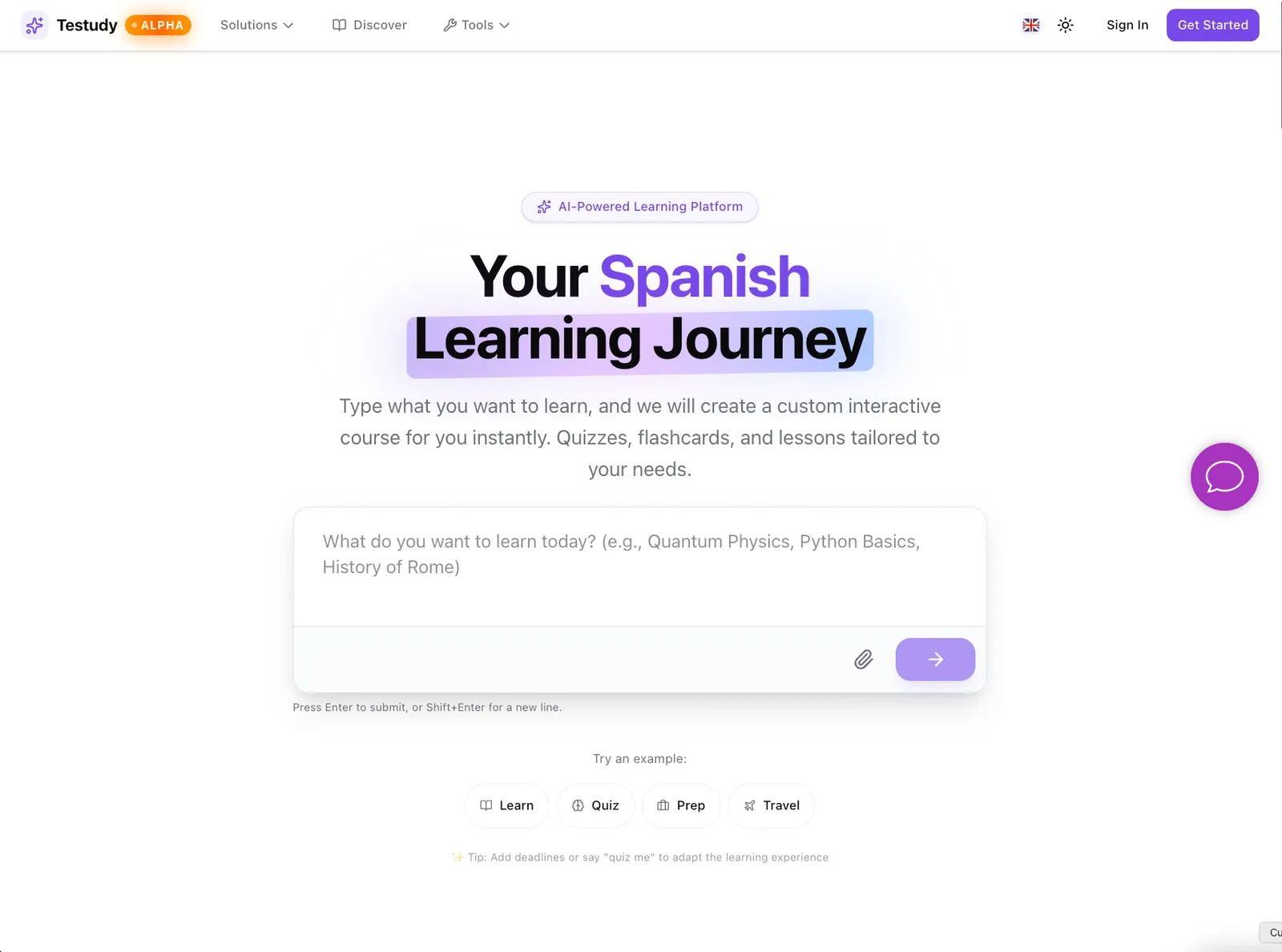
AI · EdTech
QuizBot
AI quizzes from any text or URL, with wrong answers that make sense. 2,500+ users, then acquired.
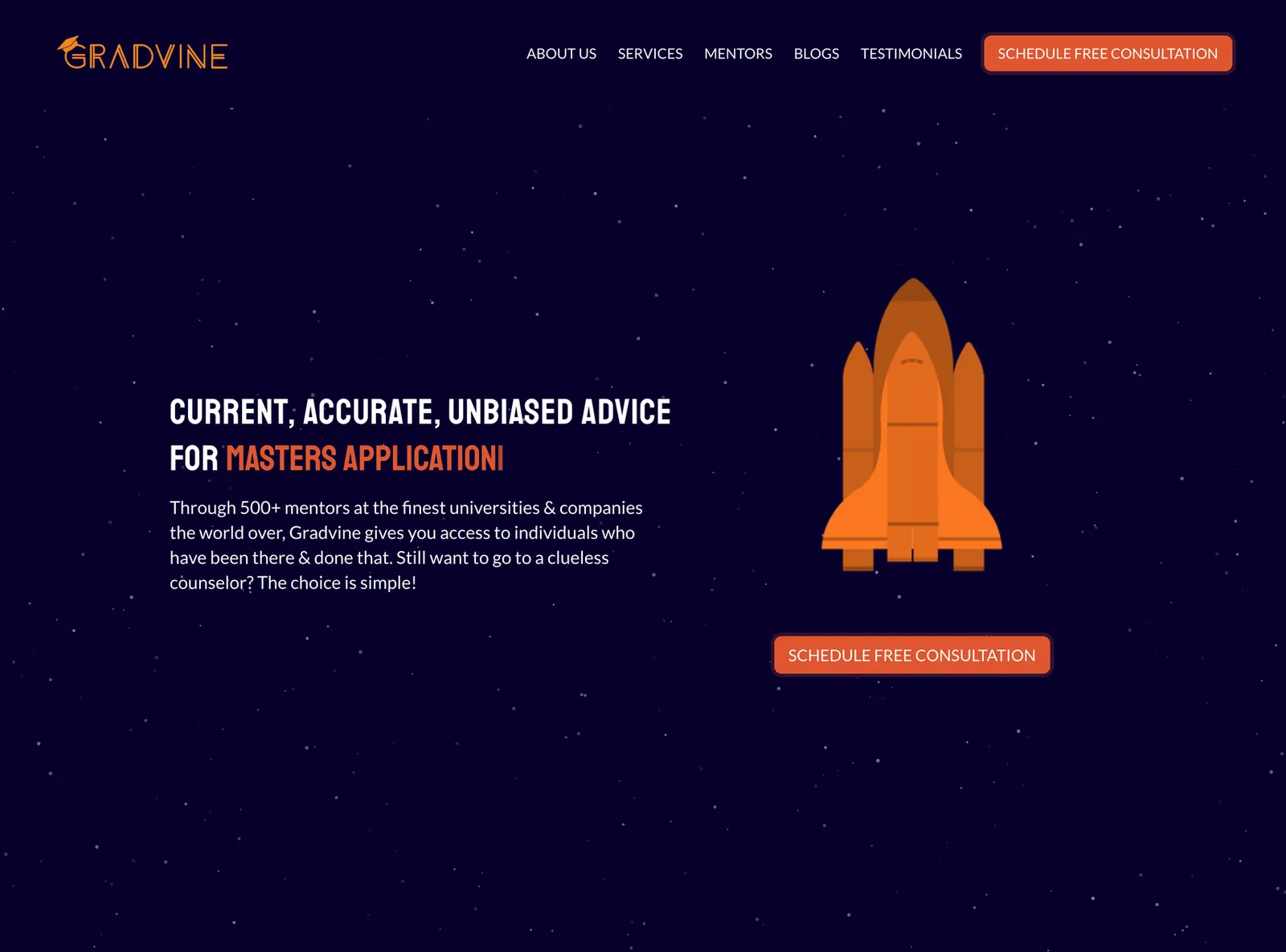
Consumer · EdTech
Gradvine
Students matched 1:1 with graduates from their target universities, with sessions run in the platform.
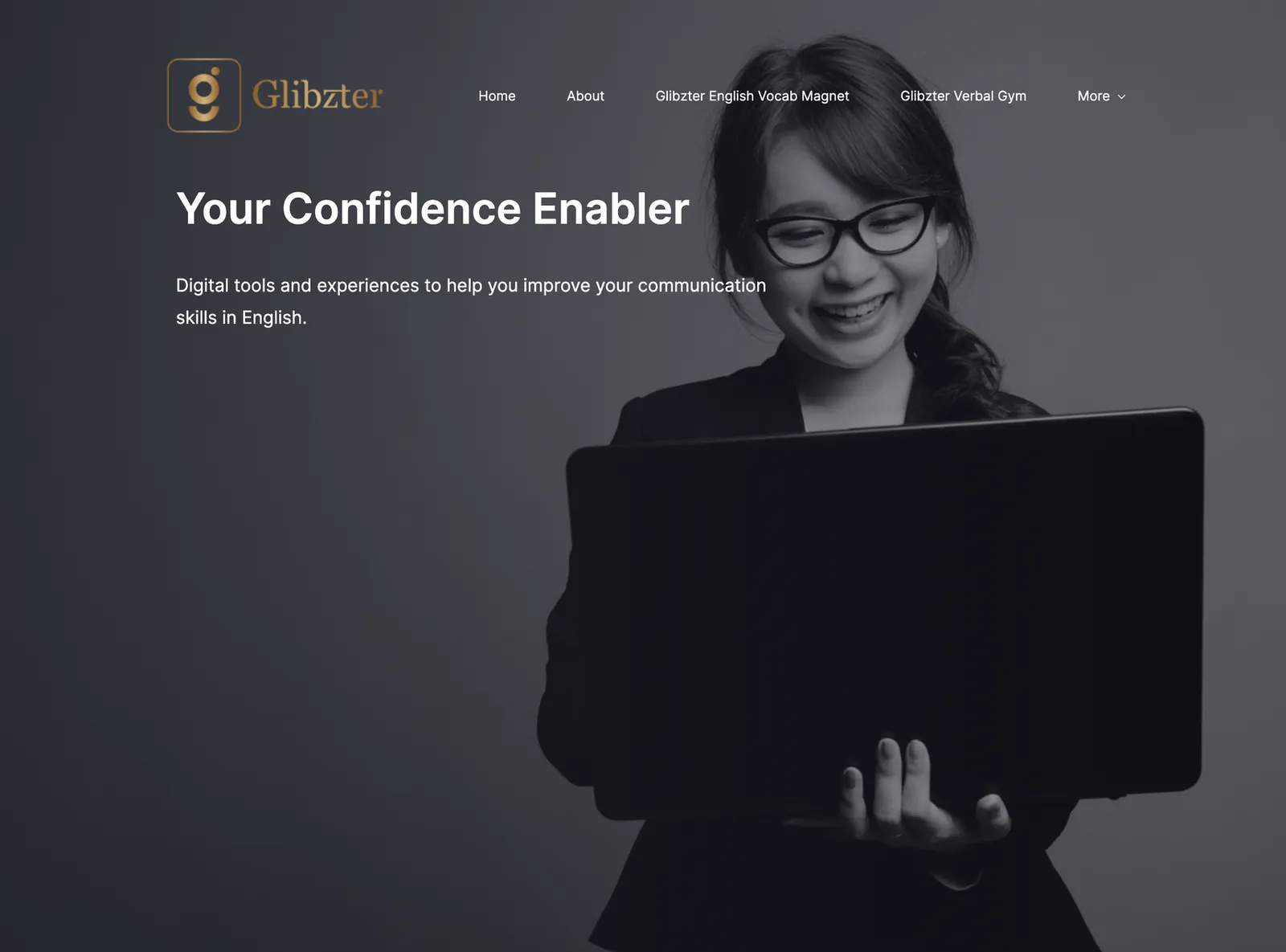
Consumer · EdTech
Glibzter
Assessments that unlock courses and coaching, all sold through one Stripe checkout and one wallet.
How we can help
Four ways to work with us - pick what fits, switch when it doesn’t.
Audits
Find what's broken - or whether AI is worth it - before you build.
Learn moreMVP Sprint
Zero to production in 5-6 weeks. A real product, not a prototype.
Learn moreRetainer
A senior engineer embedded on your team, month to month.
Learn moreCode Rescue
Vibe-coded app breaking under real users? We rebuild it to hold.
Learn moreFAQ
Frequently asked questions
How much does it cost to build an EdTech app?
A first version with content, progress tracking, booking or payments is an MVP Sprint: one fixed price, agreed before the build. Sprints start at $12,000. We scope it to what your first version needs, from live video to AI or a mobile app, and agree the price before the build starts.
How long does an EdTech MVP take?
Five to six weeks for a first version. Our coaching platform and our mentoring marketplace were each built in 6 weeks.
Can you add AI to an existing learning platform?
Yes. We add AI features such as quiz generation, feedback or tutoring to products that are already live, on a retainer. If you'd like a plan first, an AI audit maps out which ideas to build.
Do you build on no-code tools as well?
Yes. We built a coaching platform on Bubble with Stripe, and we build in custom code too. We'll recommend what suits your product and stage.
Can you build to our compliance requirements?
Yes. Tell us what applies to you, whether that's GDPR, student data privacy rules or local regulations, and we build the technical side to match: access controls, encryption, audit logs, where data is stored and which vendors you use.
Do we own the code?
Yes, 100%. You own the code, infrastructure, docs and credentials.