


Where most teams are
Calling a model API is the easy part. Streaming answers, letting the model use your tools, keeping cost and speed in check and knowing when an answer is wrong is where the work is. Our engineers built the LLM pipeline behind an analytics app used by 1.5M+ people.
What our LLM API developers do
Tool calling on real data
Agents that call your tools to query data, run code or take actions, recover when a step fails and stream the answer, so users see progress instead of a spinner.
Cost and speed per task
Not every step needs the biggest model. We route simple steps to smaller, cheaper models, cache repeated prompts and measure cost and speed per feature, not per bill.
Fallbacks and retries
Model APIs hit rate limits and have outages. We retry with backoff, switch to another model or provider when one fails, and keep your feature working while it recovers.
Evals before every change
We keep a set of real examples and score every prompt or model change against it, so a change ships only when the answers stay as good or get better than before.
How it works
- 01
Pick how to work
One model API integration, priced upfront and starting at $1,000, or a retainer from $4,000 a month for ongoing work.
- 02
Map the use case
A senior engineer looks at the AI feature, your data and your users, and agrees which model and checks fit each step.
- 03
Ship and measure
We build, test against your real examples and ship with cost and quality tracked. The engineer doing the work is on your calls.
Starting at $1,000
One integration, one fixed price, agreed after a short call. Single integrations start at $1,000. Need ongoing work? Part-time retainers from $4,000/month, month to month. Adding AI across your product? See AI integration services. Answering from your own docs? See RAG development. Not sure where AI pays off? Start with an AI audit (from $1,000).
Talk to an AI engineer We came to Zeroic for one fixed-scope build and never left.  built the AI into WordUp and kept finding more worth shipping - we doubled our retainer hours inside the first month. He tells us what's worth building before he builds it.

Work we've shipped
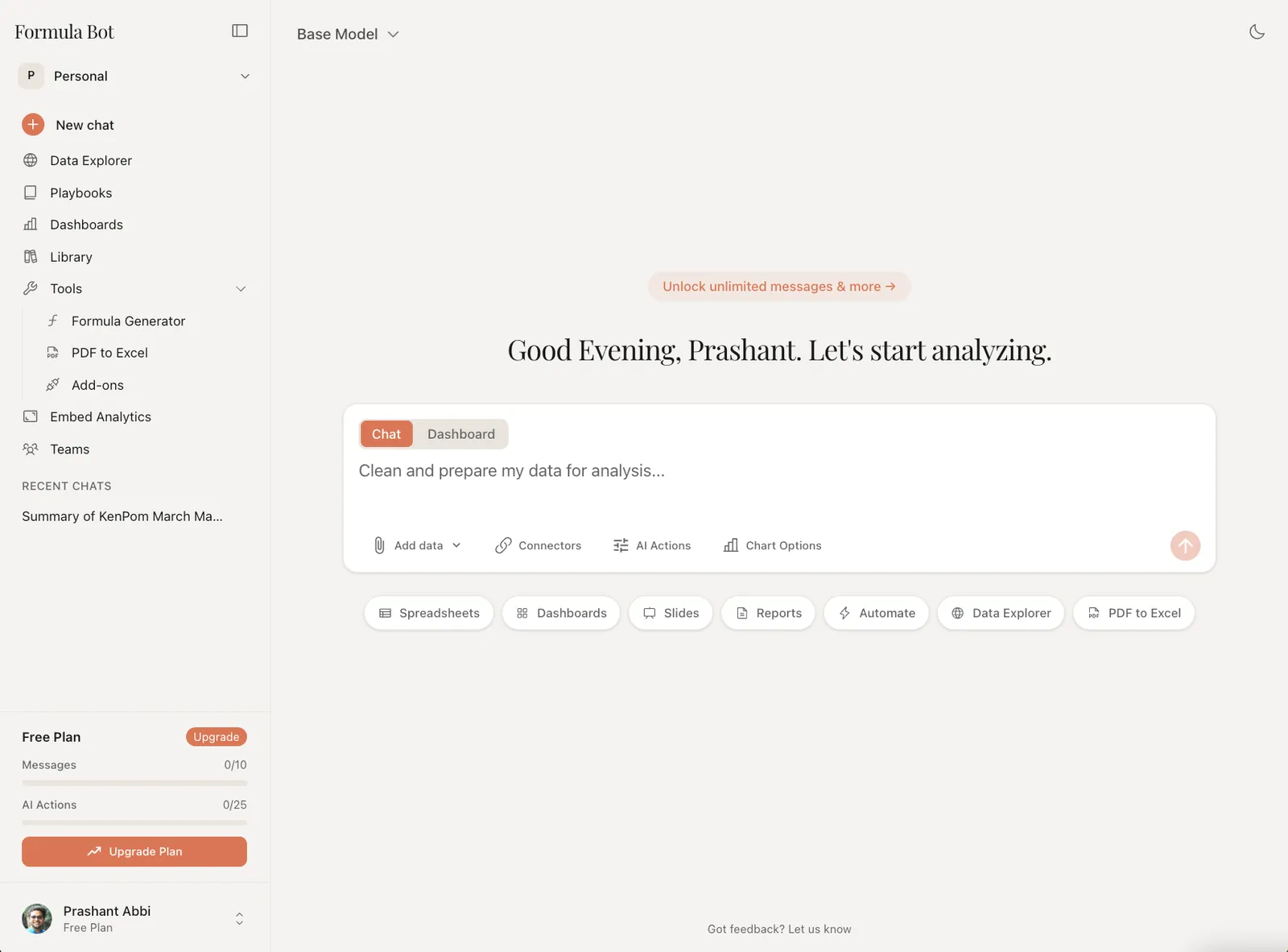
AI · Analytics
Better Analyst (formerly FormulaBot)
An analytics app used by 1.5M+ people. We built its English-to-SQL pipeline and AI agents that write and run code.
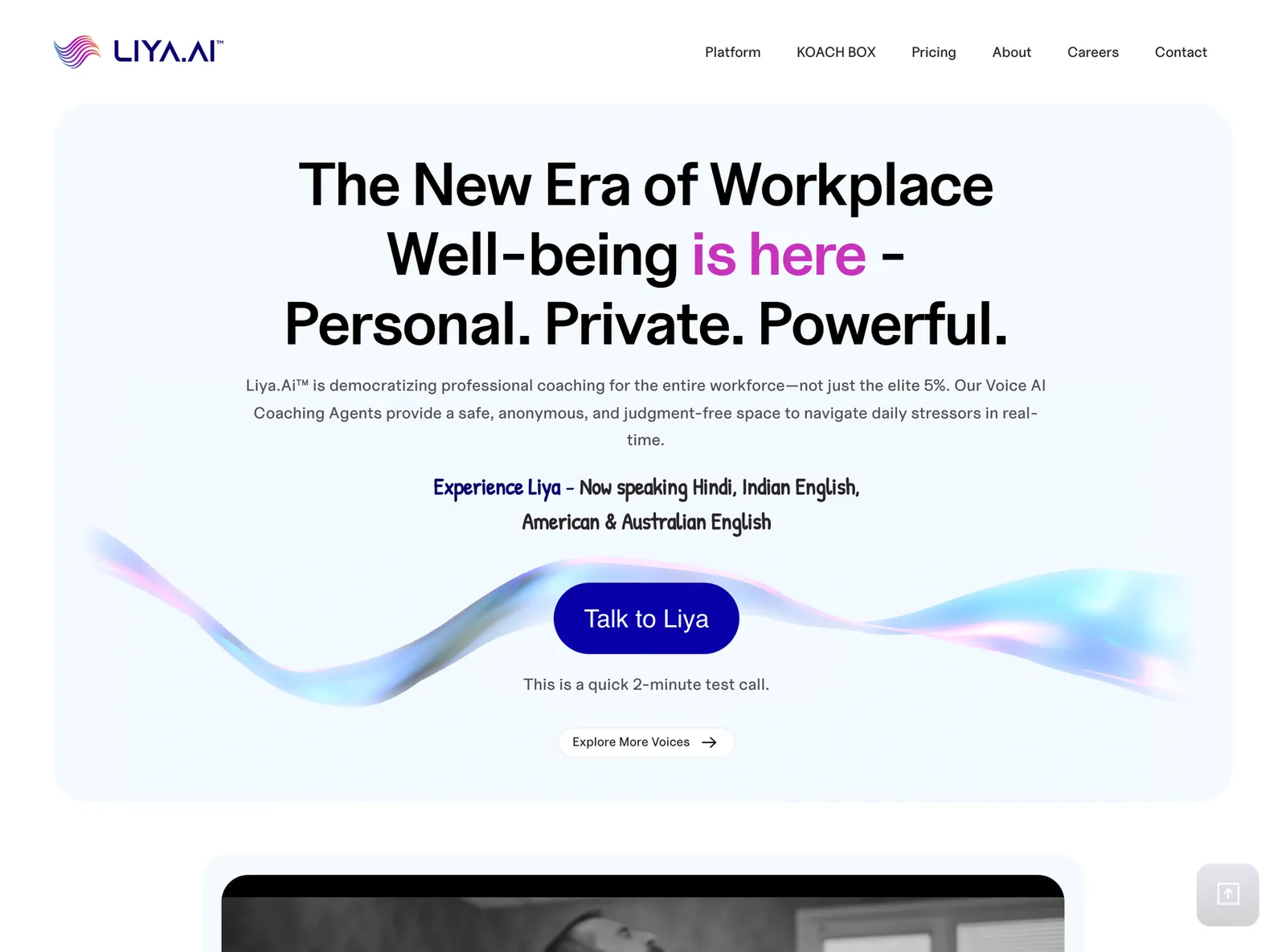
AI · HR Tech
Liya AI
An AI companion for employees, with chat and voice coaching, built end to end by our team in 6 weeks.
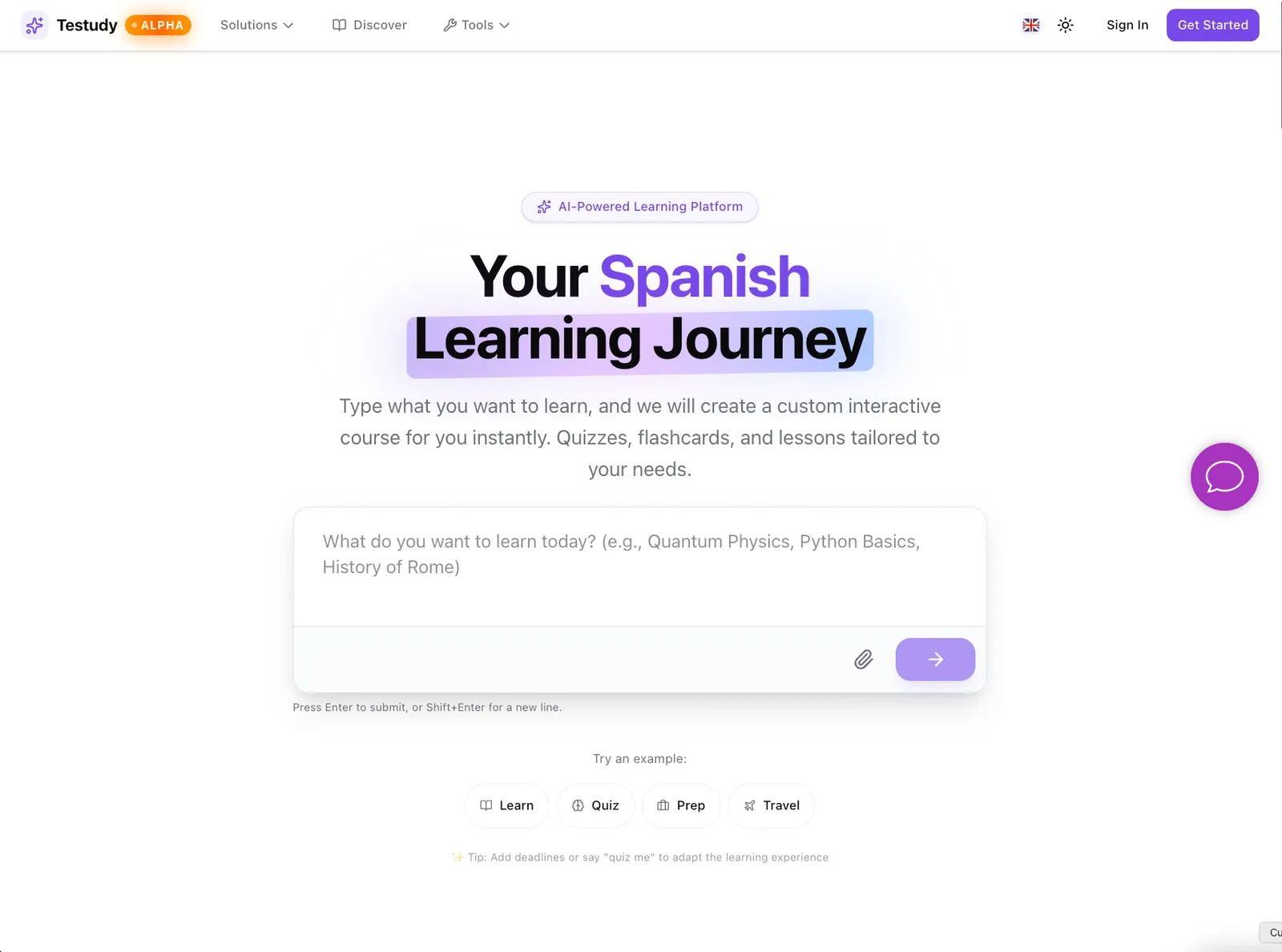
AI · EdTech
QuizBot
Quizzes generated from any text, with an API other products could embed. 2,500+ users, then acquired.
How we can help
Four ways to work with us - pick what fits, switch when it doesn’t.
Audits
Find what's broken - or whether AI is worth it - before you build.
Learn moreMVP Sprint
Zero to production in 5-6 weeks. A real product, not a prototype.
Learn moreRetainer
A senior engineer embedded on your team, month to month.
Learn moreCode Rescue
Vibe-coded app breaking under real users? We rebuild it to hold.
Learn moreFAQ
Frequently asked questions
How much does an OpenAI or Claude API integration cost?
A single integration has one fixed price, agreed after a short call. Prices start at $1,000. Ongoing work runs on a retainer from $4,000 a month, month to month.
OpenAI or Claude: which should we use?
Often both. We test them on your real examples and pick per step by quality, cost and speed, so each part of your product runs on the model that does it best.
Is our data used to train the models?
No. By default, OpenAI and Anthropic don't train on data sent through their APIs. We also keep secrets and personal data out of prompts that don't need them.
Can you add AI to the product we already have?
Yes. For an analytics app with 1.5M+ users, we kept building its AI layer inside the live product as it grew past a million users. The engineer works in your codebase and ships alongside your team.
We built on the Assistants API. What now?
OpenAI shut it down in August 2026. We move your assistants, threads and files to the Responses API and test the answers against your real examples before switching over.
Do we own everything you build?
Yes, 100%. You own the code, infrastructure, docs and credentials, plus the prompts and evals.