


Where most RAG projects are
Most RAG systems fail at retrieval, not generation. If the right passage never reaches the model, no prompt will save the answer. For an analytics app used by 1.5M+ people we built retrieval on pgvector inside the app's own Postgres, and we start every RAG project by measuring what search actually finds.
What goes into RAG that works
Chunking that keeps meaning
Split documents by their structure, headings and sections, not a fixed character count, and keep titles and metadata with each chunk so filters and citations still work.
Hybrid search and reranking
Vector search misses exact terms like product codes and names. Combining it with keyword search, then reranking the top results, finds what one method alone misses.
pgvector before a new database
pgvector inside the Postgres you already run handles similar-question lookup, context for the model and caching answers by meaning, with no second database to keep in sync.
Measured, not guessed
We build a test set of real questions and check whether the right passage comes back before tuning any prompt. Most quality problems turn out to be retrieval problems.
How it works
- 01
Pick a tier
Part-time, dedicated or embedded, from $4,000 a month. Tiers differ in hours and in how closely we work with your team.
- 02
Measure retrieval first
A senior engineer builds a test set from real questions and measures what your search finds today, before changing it.
- 03
Ship every week
Retrieval, prompts and evals. The engineer doing the work is the one on your calls. Change tier or stop any month.
Starting at $4,000/mo
Part-time from $4,000/month, month to month. Building a new AI product around search? A fixed-price MVP Sprint gets a first version live in 5-6 weeks.
Talk to an AI engineer  and
 have been with FormulaBot for 3+ years. We started as a simple English-to-SQL formula generator. It's now a 'chat with your data' product serving 1.5M+ users. They built it like it was theirs.

Work we've shipped
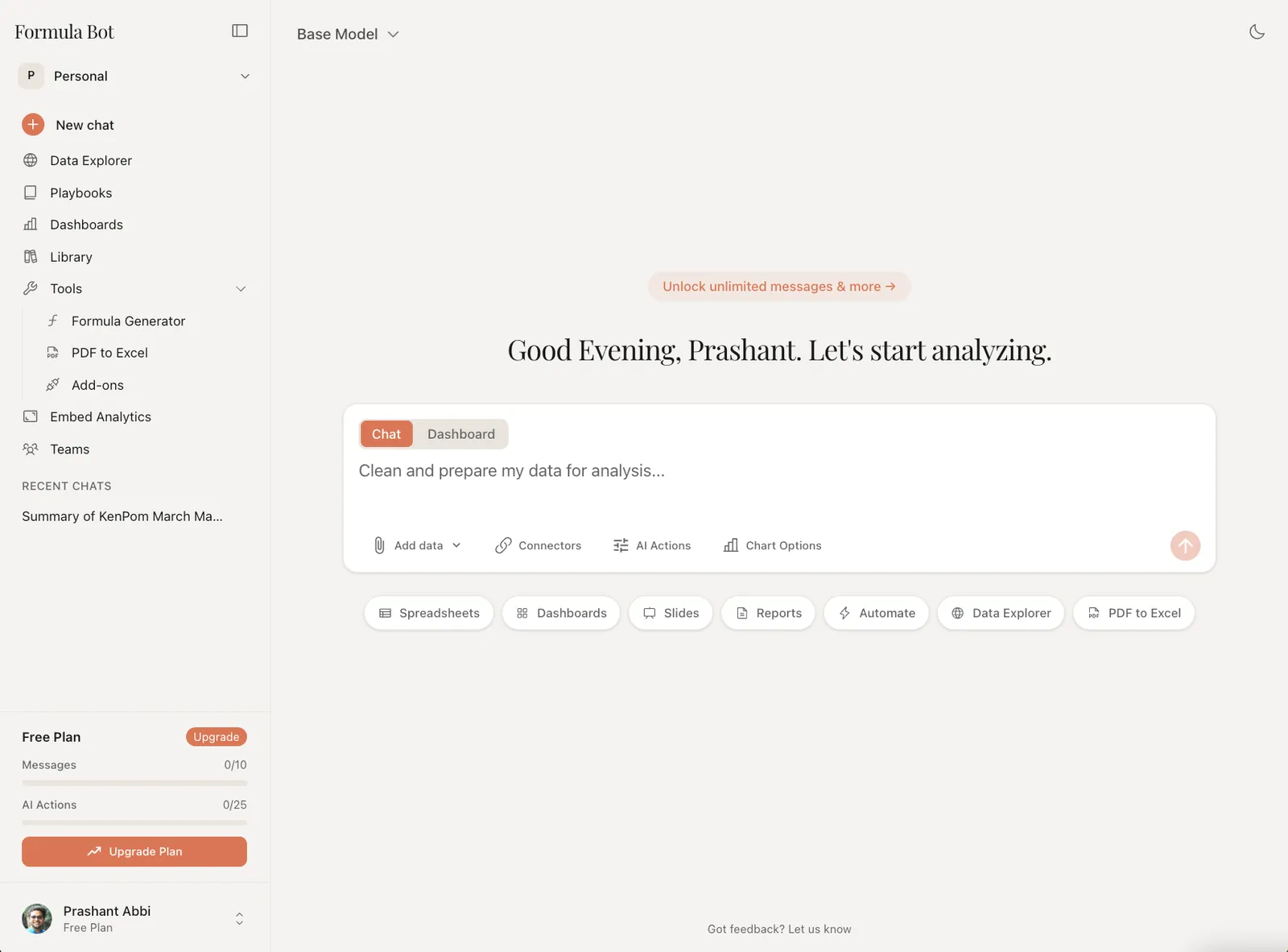
AI · Analytics
Better Analyst (formerly FormulaBot)
An analytics app used by 1.5M+ people. We built pgvector retrieval and caching inside its own Postgres.
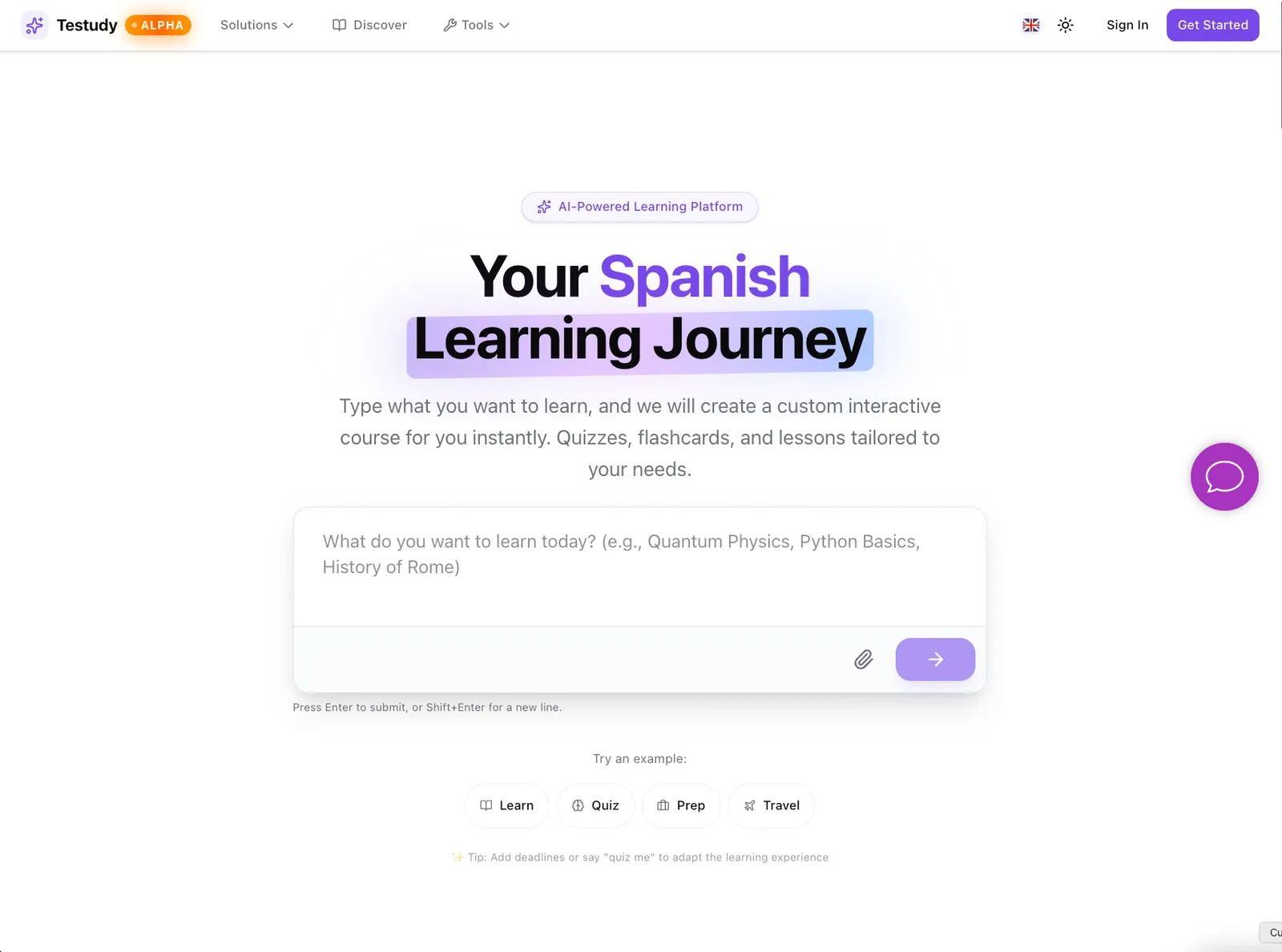
AI · EdTech
QuizBot
AI that finds the key ideas in any text or URL and turns them into quizzes. 2,500+ users, then acquired.
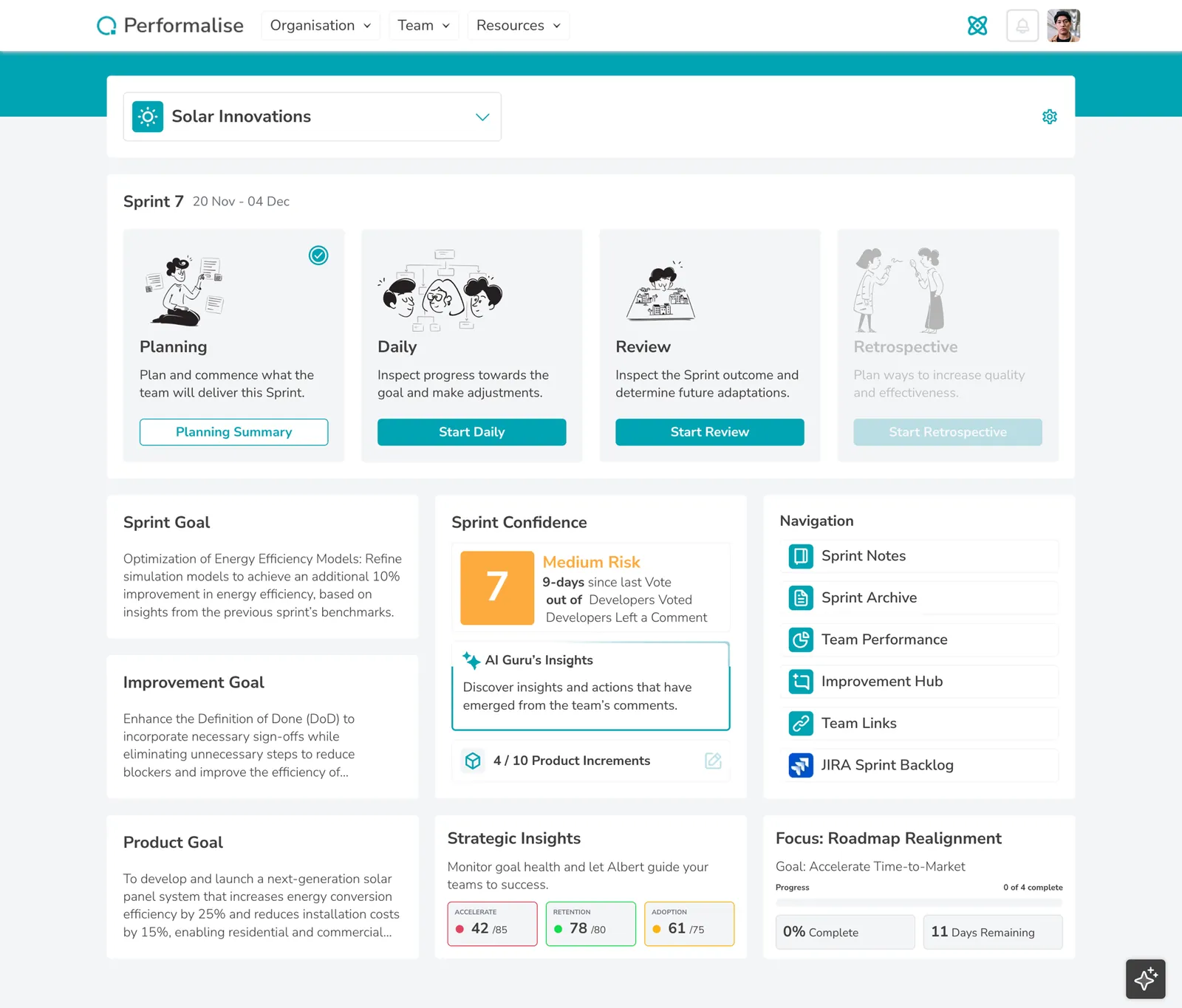
AI · MVP → Retainer
Performalise
An engineering analytics suite. We built the pipeline that turns commits, PRs and deploys into one stream.
How we can help
Four ways to work with us - pick what fits, switch when it doesn’t.
Audits
Find what's broken - or whether AI is worth it - before you build.
Learn moreMVP Sprint
Zero to production in 5-6 weeks. A real product, not a prototype.
Learn moreRetainer
A senior engineer embedded on your team, month to month.
Learn moreCode Rescue
Vibe-coded app breaking under real users? We rebuild it to hold.
Learn moreFAQ
Frequently asked questions
How much does RAG development cost?
Most RAG work runs on a retainer, from $4,000 a month for the part-time tier. A new product built around AI search can be an MVP Sprint, with one fixed price agreed before the build. Sprints start at $12,000. Want to know what your search finds today? An AI audit starts at $1,000.
Do we need a vector database like Pinecone?
Often not. pgvector inside Postgres handles more than most teams expect. We move to a dedicated vector database only when size, filtering or speed show it is needed.
How do you know the answers are right?
We measure retrieval and answers against a set of real questions, show the sources with every answer, and re-run the tests whenever content or prompts change.
Can it search our existing data?
Yes. Docs, help centres, PDFs and database records can all be indexed, with permissions so people only find what they are allowed to see.
Do we own everything you build?
Yes, 100%. You own the code, indexes, prompts, docs and credentials.