


Where most health products start
If your app handles patient data for US clinics, health plans or their partners, HIPAA shapes how it is built: who can see what, how data is stored and moved, what gets logged and which vendors touch it. We build those safeguards into the architecture from the first week, working alongside your compliance lead or advisor.
What we build into a HIPAA app
Vendors chosen for patient data
Database, hosting, video and messaging all touch patient data. We choose each vendor for it with you, and set each one up for health data the way its own docs require.
Access by role, down to the record
Clinicians, patients and admins each see only what their role allows. Rules like hiding identities in a consult, so answers stay unbiased, are designed before any screen.
Encryption and audit logs
Patient data is encrypted in transit and at rest, and every read and change to a record is logged with who, what and when, so your team can answer any access question.
Every safeguard documented
We build the technical safeguards and document each one as we go, so your policies, staff training and risk assessment rest on solid ground, not on guesswork.
How it works
- 01
Scope and safeguards (week 1)
On free calls we agree the clinical flow and the safeguards it needs, and fix scope and price before you pay. Week 1 settles the data model and vendors.
- 02
Build (weeks 2-5)
Roles, records, messaging and the audit trail, with working software every week. The engineer building it is the one on your calls.
- 03
Launch and support (week 6 on)
We ship to production, hand over the code, docs and a record of every safeguard, and stay on for 6 weeks of support as real patients arrive.
Starting at $12,000
A health app v1 is an MVP Sprint: fixed scope and fixed price, agreed before the build. Building telehealth? See telehealth app development. Already live? A Security Audit, from $1,000, checks access, data and keys.
Talk about your health appEnd-to-end MVP for a mental wellness AI - UI/UX, plus an empathetic NLP model, with security rock-solid enough for sensitive health data. They operated like an extension of our team from day one.

Work we've shipped
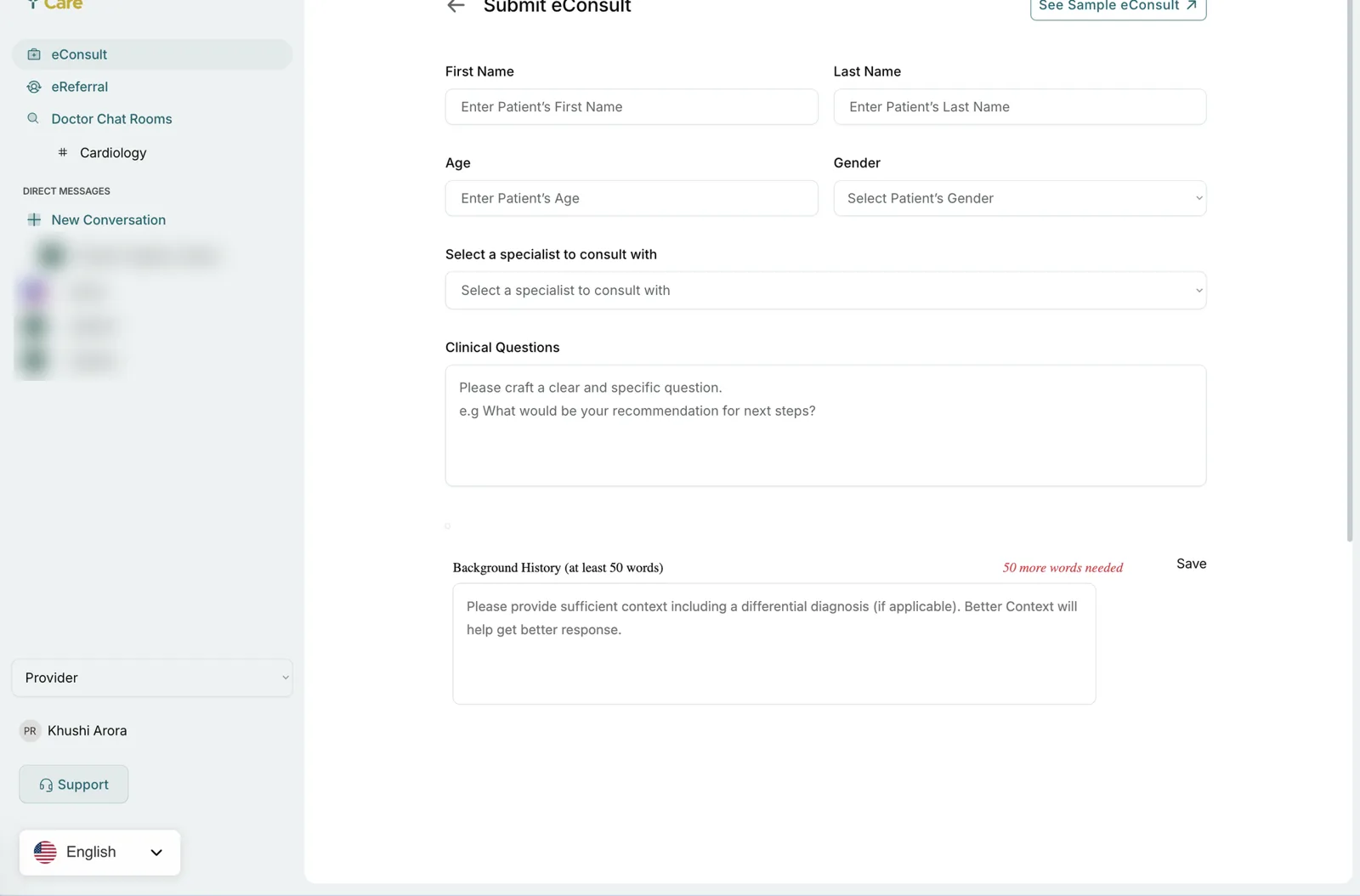
Health · Telehealth
TopUp Care
A telehealth platform that connected clinicians in Africa with specialists through anonymous eConsults.
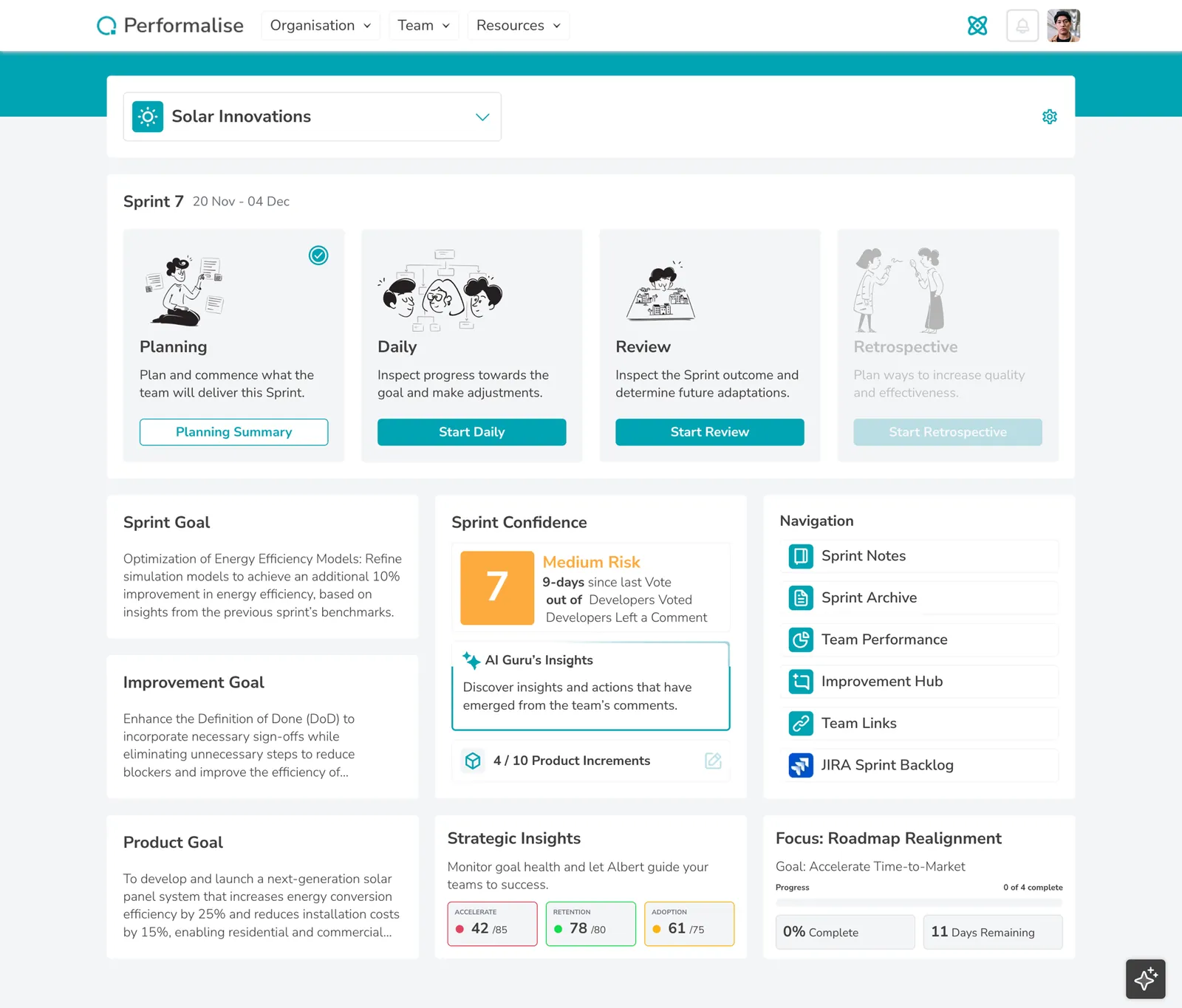
AI · MVP → Retainer
Performalise
An engineering analytics suite for 5+ enterprises. We built its data pipeline, access controls and SOC 2 aligned data layer.
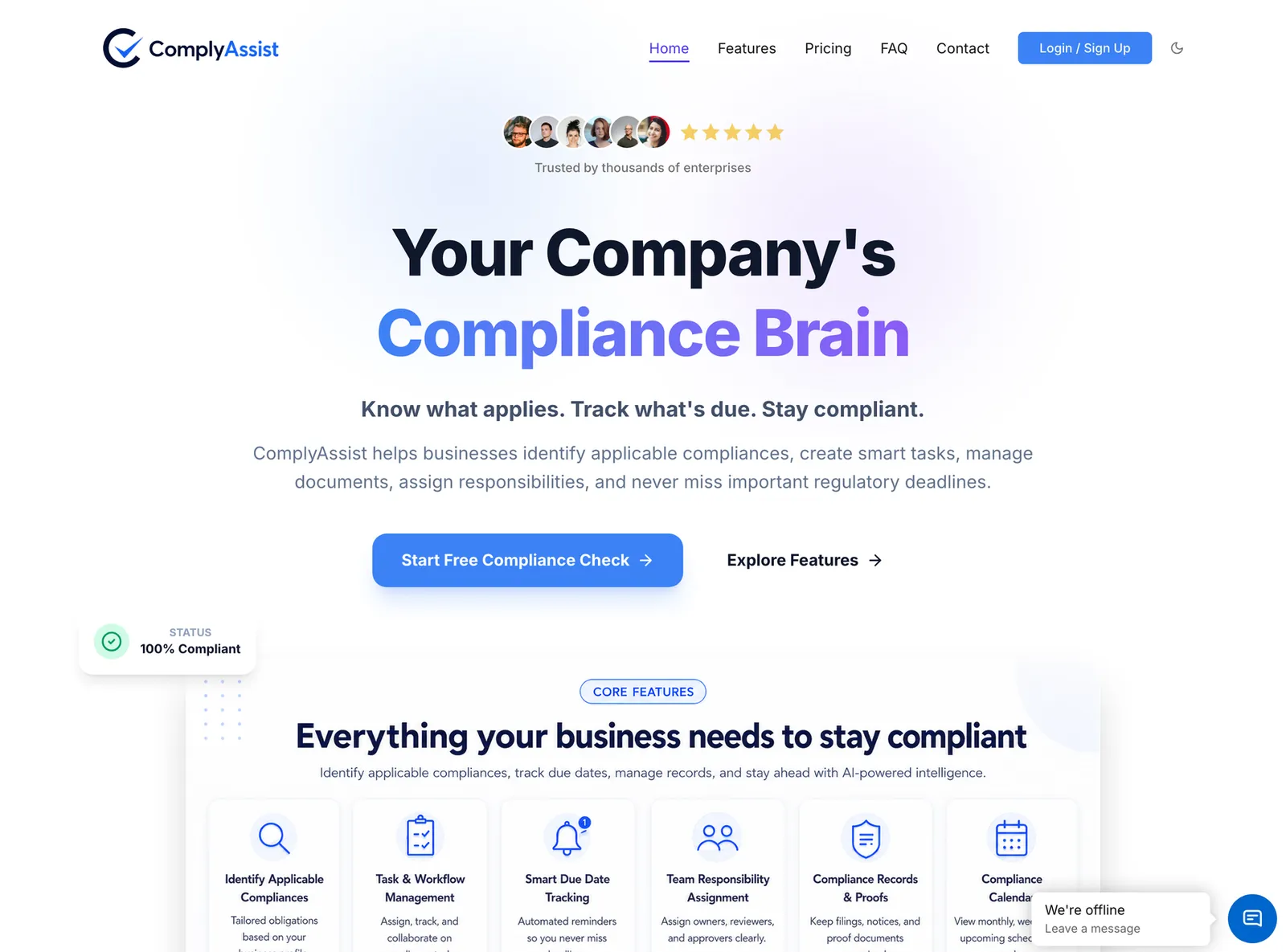
B2B SaaS · Compliance
ComplyAssist
Compliance software with role-based access for in-house teams and consultants. Built in 8 weeks.
How we can help
Four ways to work with us - pick what fits, switch when it doesn’t.
Audits
Find what's broken - or whether AI is worth it - before you build.
Learn moreMVP Sprint
Zero to production in 5-6 weeks. A real product, not a prototype.
Learn moreRetainer
A senior engineer embedded on your team, month to month.
Learn moreCode Rescue
Vibe-coded app breaking under real users? We rebuild it to hold.
Learn moreFAQ
Frequently asked questions
Can you build a HIPAA compliant app?
Yes. We build to HIPAA requirements: vetted vendors, role-based access, encryption, audit logs and backups, designed in from the first week and documented as we go.
Which tech stack do you use for HIPAA apps?
Usually a React or Next.js app on AWS, or on Supabase with its HIPAA add-on, where every vendor that touches patient data, from video to messaging, is chosen for it. We check what each vendor requires for health data with you before anything is built.
How much does a HIPAA compliant app cost?
A first version is an MVP Sprint, live in 5-6 weeks: one fixed price, agreed before the build. Sprints start at $12,000. We scope the safeguards together with the features. Already live? A Security Audit, from $1,000, checks access, data and keys.
Can you add HIPAA safeguards to an app we already have?
Yes. We map where patient data lives and who can reach it, move it to vendors suited to it, and add access rules, encryption and audit logs, keeping the screens your users know.
Do we own the code?
Yes, 100%. You own the code, infrastructure, docs and credentials.