


Where most voice agents are
A voice agent that sounds great in a browser can fall apart on a real phone line. Turn-taking, latency, phone-quality audio and handing a caller to a person decide whether it works. Our team built voice coaching into an AI product for employees, end to end, and we have written up the architecture we use.
What goes into a voice agent that works
Knowing when to speak
Silence alone is a poor signal. Voice activity detection plus a turn-detection model stops the agent cutting people off, and barge-in stops it when a caller interrupts.
Latency you cannot hear
Every layer streams: speech starts on the first clause while the model is still writing the rest. Waiting for the full reply makes any voice agent feel slow on a call.
Phone lines, not just browsers
Phone calls arrive as narrowband 8kHz audio with their own failures. We test speech on phone audio and design transfers, recording consent and out-of-hours paths.
A way out for every caller
Callers can always reach a person, with a summary of the call passed along so nobody repeats themselves. Clear limits stop the agent promising what your team cannot do.
How it works
- 01
Scope the first version (week 1)
On free calls we pick the calls the agent should handle and fix scope and price before you pay. Week 1: call flows and test calls.
- 02
Build and test (weeks 2-5)
Speech, turn-taking, the model and phone lines, tested on real calls every week. The engineer building it is the one on your calls.
- 03
Launch and support (week 6 on)
We ship to production, hand over the code, docs and credentials, and stay on for 6 weeks of support as real callers come in.
Starting at $12,000
A first voice agent is an MVP Sprint: fixed scope and fixed price, agreed before the build. Want a plan first? An AI audit, from $1,000, maps your call types and what to automate.
Talk to an AI engineer We came to Zeroic for one fixed-scope build and never left.  built the AI into WordUp and kept finding more worth shipping - we doubled our retainer hours inside the first month. He tells us what's worth building before he builds it.

Work we've shipped
AI · HR Tech
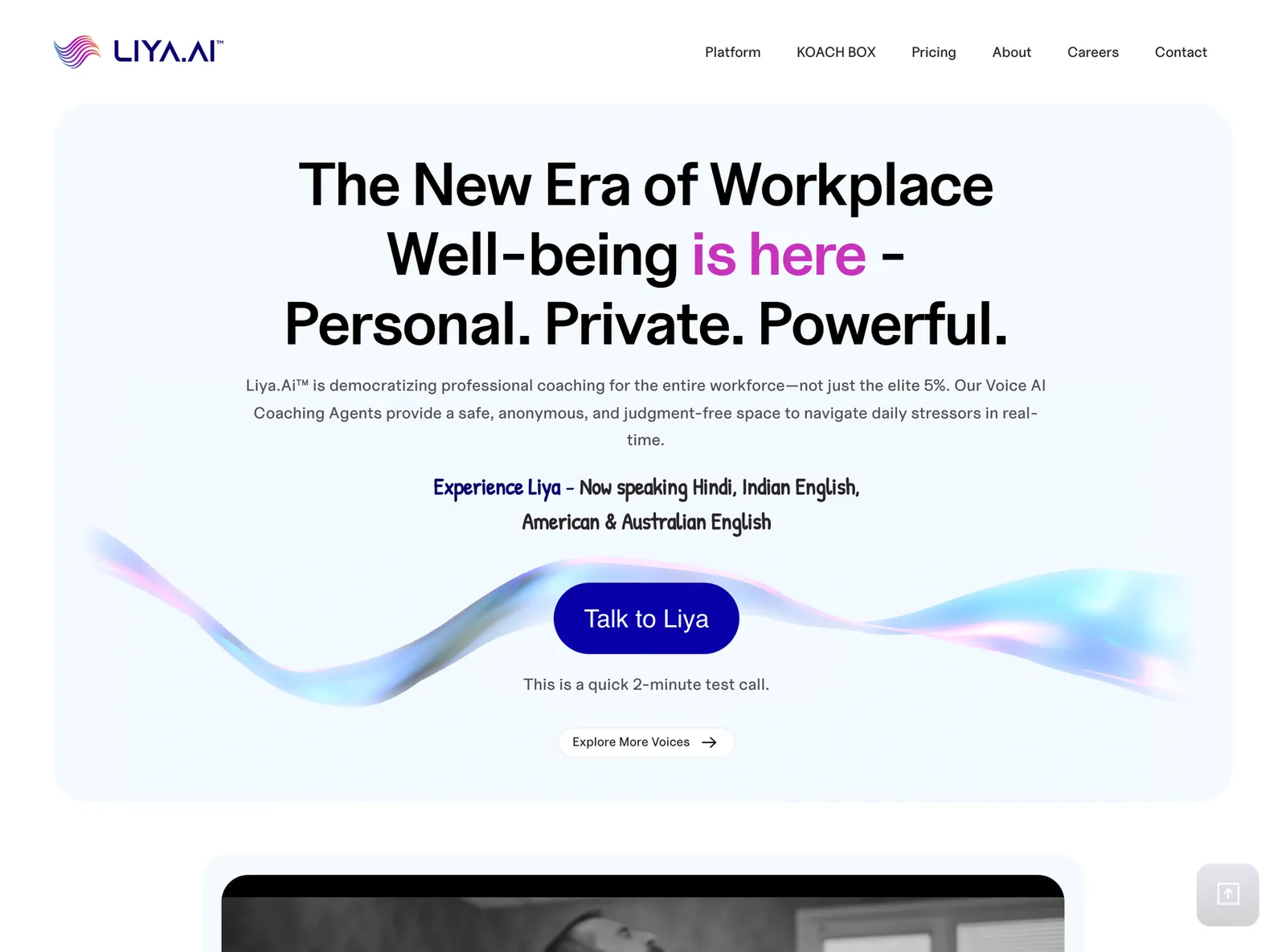
Liya AI
An AI coaching companion for employees. We built its voice and chat coaching end to end in 6 weeks.
AI · Analytics
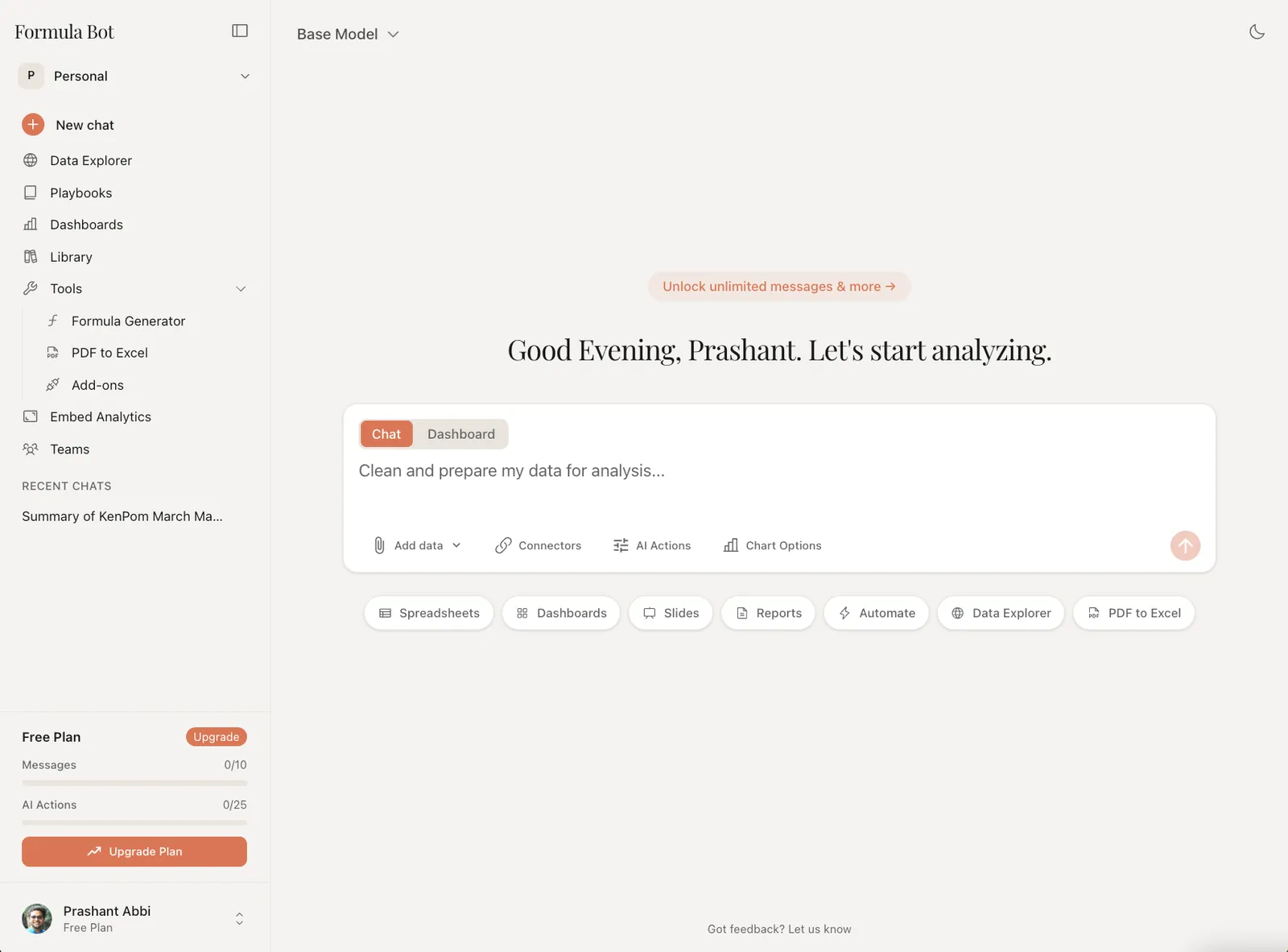
Better Analyst (formerly FormulaBot)
An analytics app used by 1.5M+ people. We built the LLM pipeline that turns plain English into SQL.
AI · EdTech
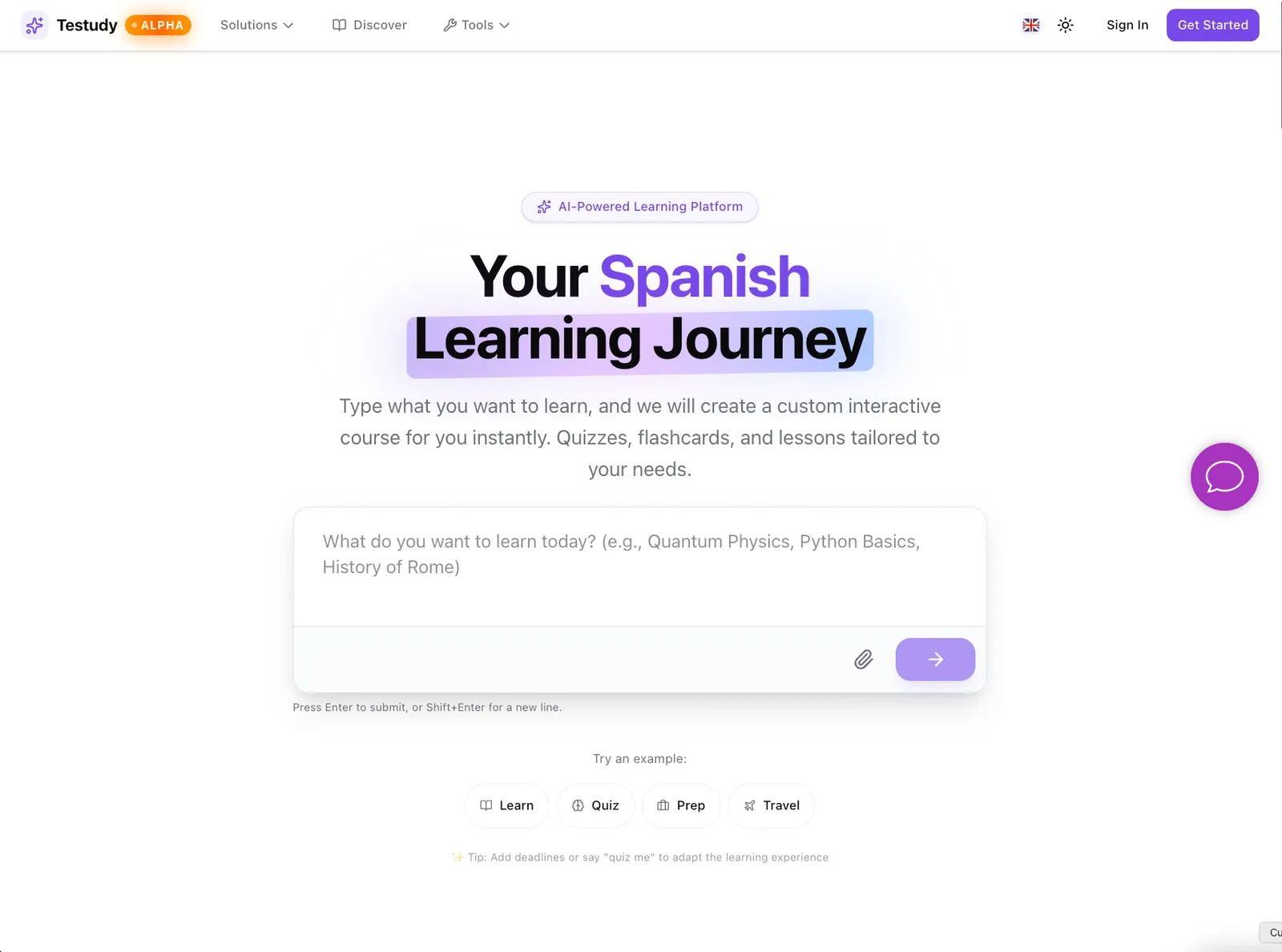
QuizBot
AI that turns any text or URL into quizzes, with an API other products embed. 2,500+ users, then acquired.
How we can help
Four ways to work with us - pick what fits, switch when it doesn’t.
Audits
Find what's broken - or whether AI is worth it - before you build.
Learn moreMVP Sprint
Zero to production in 5-6 weeks. A real product, not a prototype.
Learn moreRetainer
A senior engineer embedded on your team, month to month.
Learn moreCode Rescue
Vibe-coded app breaking under real users? We rebuild it to hold.
Learn moreFAQ
Frequently asked questions
How much does it cost to build an AI voice agent?
A first version starts at $12,000 as a fixed-price MVP Sprint, live in 5-6 weeks. We estimate running costs for speech, the model and phone minutes up front, so there are no surprises. Want a plan first? An AI audit, from $1,000, maps your call types.
When does a custom voice agent make sense?
When it needs your own systems, languages or rules that hosted tools cannot handle. On the first call we map your call types and show you where a custom agent pays off.
Can it work over normal phone lines?
Yes. We connect through telephony providers such as Twilio, test on phone-quality audio, and build transfers to a person, call recording and consent for where you operate.
Which languages can it handle?
Any language with a strong speech model. We test every language you need on real calls before launch, rather than trusting headline accuracy.
Do we own everything you build?
Yes, 100%. You own the code, prompts, call flows, docs and credentials.