


Where most teams are
Your sales team lives in HubSpot and your users live in your app. Keeping the two in step means deciding which system owns each field, working within HubSpot's rate limits and making sure an update never loops back on itself. Our engineers build that sync into your product so it holds up as both sides grow.
What our HubSpot developers do
Field ownership, decided first
Every synced field gets one owner: your app or HubSpot. We store HubSpot IDs against your records and skip echoes of our own writes, so updates never loop or overwrite.
Built for the rate limits
HubSpot limits calls per app every 10 seconds and per account each day, shared with your other tools. We batch reads and writes, retry with backoff and sync only what changed.
Associations and pipelines
Contacts, companies and deals are linked through associations, and deals move through pipeline stages. We map both to your data model, so product events can move a deal on.
Webhooks, not constant polling
HubSpot can call your app when a record changes. We verify each webhook's signature, handle repeats safely and run a scheduled catch-up sync, so a missed webhook is picked up on the next run.
How it works
- 01
Pick how to work
One HubSpot integration, priced upfront and starting at $1,000, or a retainer from $4,000 a month for ongoing work.
- 02
Map the data
A senior engineer maps your HubSpot objects, properties and pipelines against your database, and agrees who owns each field.
- 03
Ship and switch on
We build, test against a HubSpot test account and switch the sync on. The engineer doing the work is on your calls.
Starting at $1,000
One integration, one fixed price, agreed after a short call. Single integrations start at $1,000. Need ongoing work? Part-time retainers from $4,000/month, month to month. Connecting more than HubSpot? See API integrations.
Talk to a HubSpot developer  rebuilt our onboarding, shipped our Zapier integrations, and wrote integrated plugins for our proprietary tools - all in record time. He ships better than we spec. This team is literally an extension of mine.


Work we've shipped
AI · Analytics
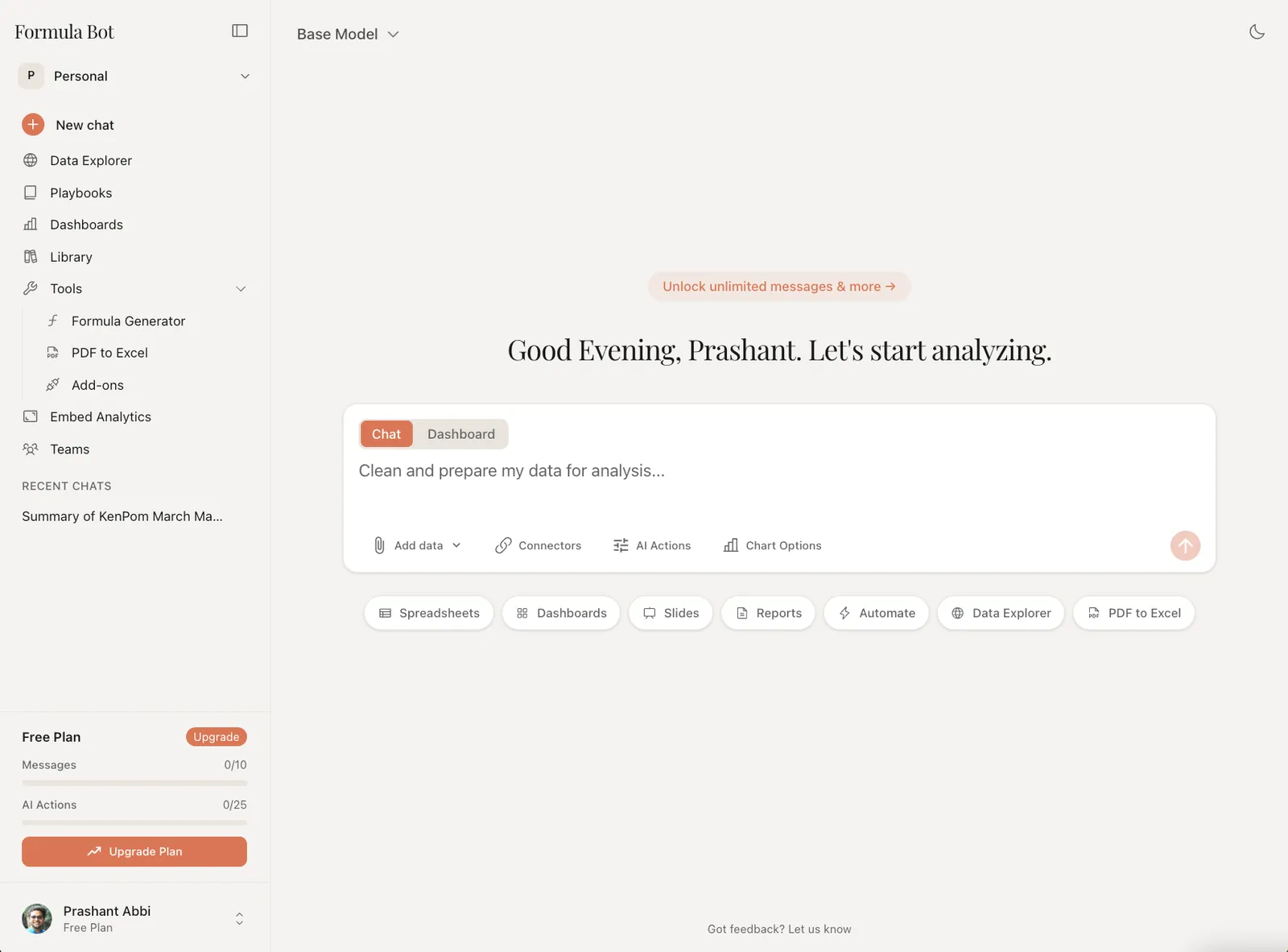
Better Analyst (formerly FormulaBot)
An analytics app used by 1.5M+ people. We built its 40+ data connectors, BigQuery to Postgres.

Consumer · FinTech
Finance Girlie
A personal finance platform for Muslim women. We built Plaid bank linking and transaction sync.
B2B SaaS · Client portals
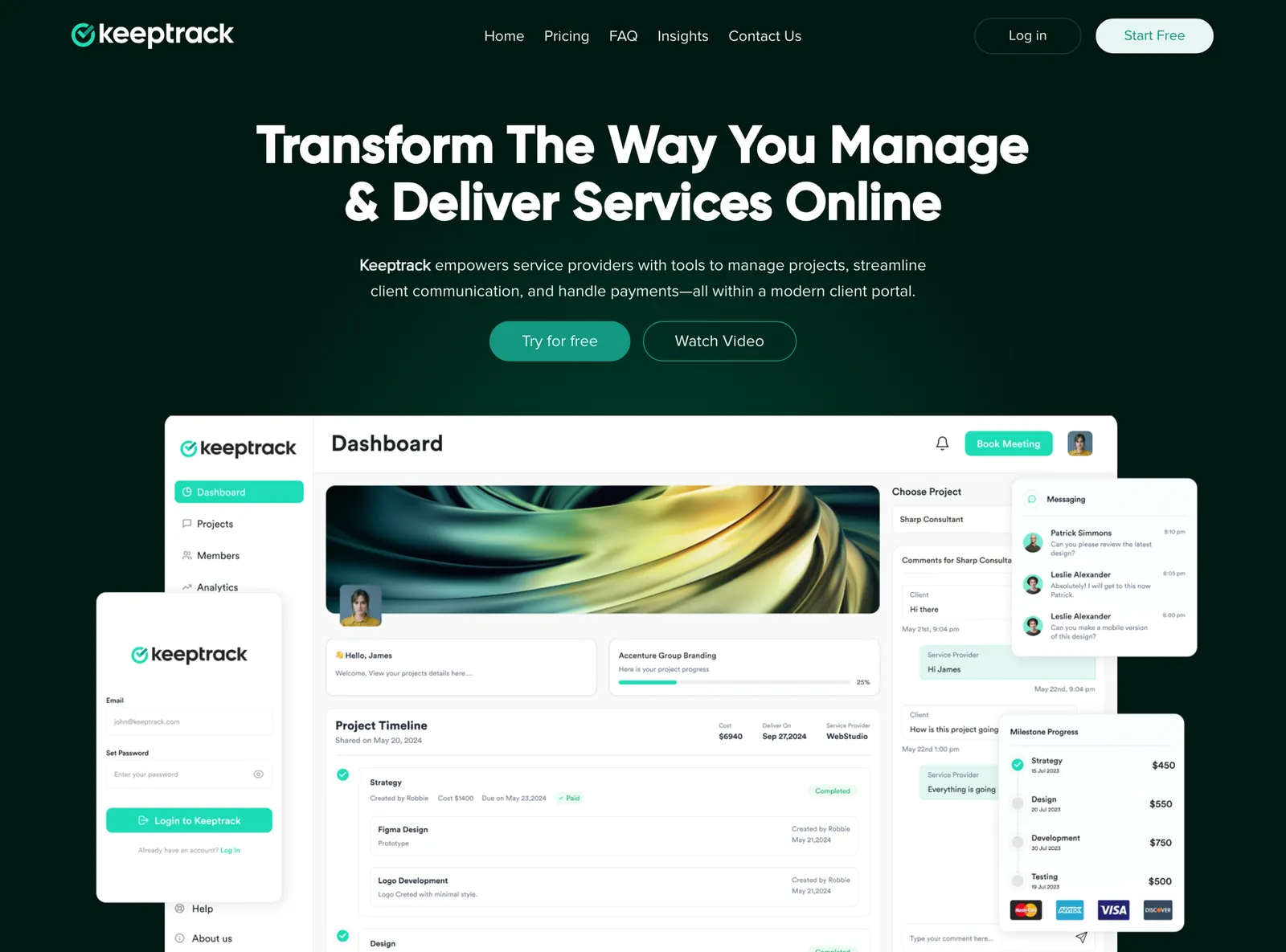
KeepTrack
A white-label client portal. We built its Calendly scheduling and Stripe milestone payments, no platform cut.
How we can help
Four ways to work with us - pick what fits, switch when it doesn’t.
Audits
Find what's broken - or whether AI is worth it - before you build.
Learn moreMVP Sprint
Zero to production in 5-6 weeks. A real product, not a prototype.
Learn moreRetainer
A senior engineer embedded on your team, month to month.
Learn moreCode Rescue
Vibe-coded app breaking under real users? We rebuild it to hold.
Learn moreFAQ
Frequently asked questions
How much does a HubSpot integration cost?
A single integration has one fixed price, agreed after a short call. Prices start at $1,000. Ongoing work runs on a retainer from $4,000 a month, month to month.
Can you sync HubSpot with Postgres or Supabase?
Yes. We keep HubSpot IDs in your database, sync the objects your team needs and decide which side owns each field, so both stay correct.
Do we need a private app or an OAuth app?
A private app with a scoped access token is usually enough for your own HubSpot account. If your customers connect their own HubSpot, you need an OAuth app on HubSpot's current developer platform, and we build that, Marketplace listing included.
Will HubSpot API changes break our sync?
Not by surprise. HubSpot now releases dated API versions, each supported for at least 18 months. We build on the current one and plan the move to the next well before the old one retires.
Can you work with custom objects and properties?
Yes. We map your custom properties, and custom objects on Enterprise accounts, to your own data model, so nothing your team relies on is left out.
Do we own everything you build?
Yes, 100%. You own the code, infrastructure, docs and credentials.